
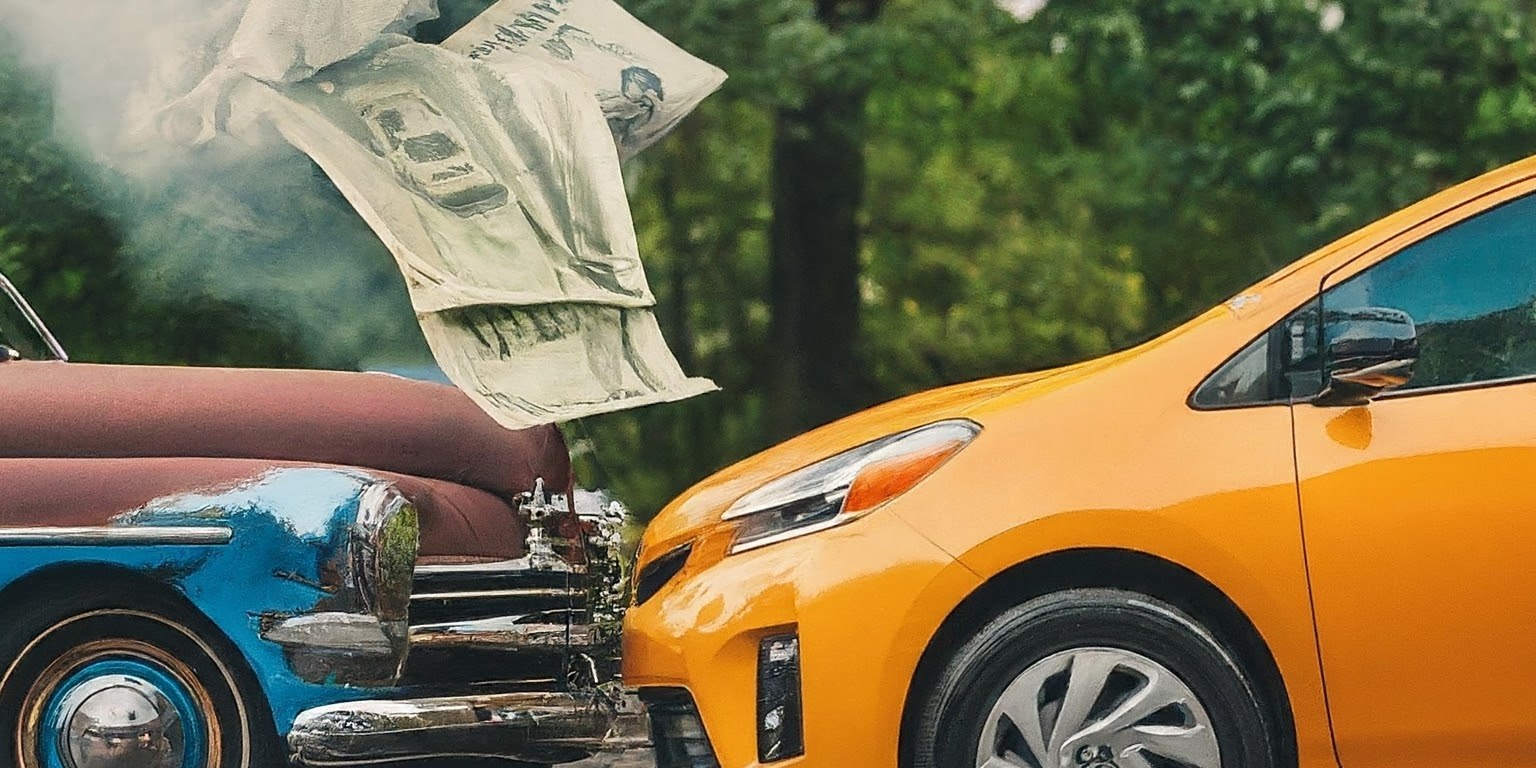
As the global automotive landscape shifts towards sustainability, China’s government has recently intensified its efforts to promote electric vehicle (EV) adoption through a revamped cash-for-clunkers program. Launched earlier this year, this initiative aims to incentivize consumers to trade in older, higher-emission vehicles for new electric models. In a significant move, the Chinese authorities have doubled the subsidies available to consumers, now offering up to 20,000 yuan (approximately $2,770) for those who replace their conventional cars with EVs.The government initially allocated 11.2 billion yuan for the trade-in program, which is designed to facilitate the replacement of up to 1.6 million vehicles with more fuel-efficient gasoline models or 1.1 million electric vehicles. According to BNEF analyst Siyi Mi in a report published earlier this week, the number of vehicles may remain the same or rise to around 2 million.As Malaysia navigates its own path towards a greener automotive future, there are valuable lessons to be drawn from China’s experience, particularly in how they incentivize markets. China has implemented various policies and incentives over the years to promote the adoption of electric vehicles. Here are some of the key ways China has incentivized EV purchases in the past:
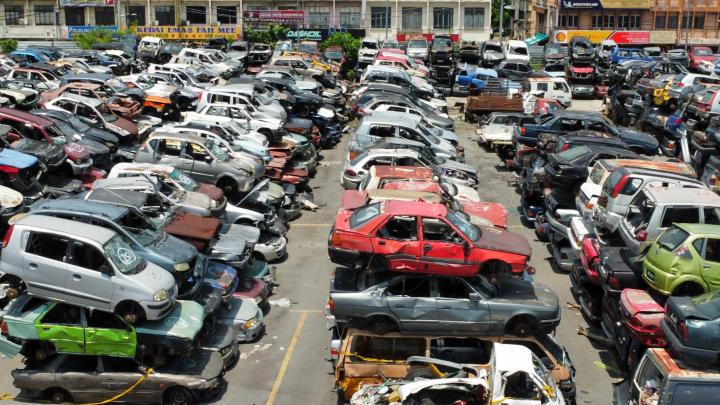
Purchase Subsidies
Since 2009, China has provided direct purchase subsidies for buyers of EVs. These subsidies peaked in 2014 at 100,000 yuan (around $14,000) per vehicle, which helped boost EV sales fourfold the following year. Until the subsidies were withdrawn at the end of 2022, the central government paid 12,600 yuan (around $1,800) to buyers of EVs with a driving range of more than 400 km.
Purchase Tax Reductions
China has also exempted EVs from the 10% purchase tax since September 2014. This exemption, originally set to expire in 2020, has been extended multiple times, most recently to cover purchases through the end of 2027.
Dual-Credit Scheme
Since 2018, China has operated a “dual-credit” scheme for passenger car manufacturers. This system provides credits based on the fuel efficiency and new energy vehicle production of each automaker. Automakers must meet certain credit targets or face penalties, incentivizing them to produce more EVs.
Environmental and Economic Benefits of EV Adoption
The transition to EVs offers significant environmental and economic benefits for Malaysia. In urban areas like Kuala Lumpur, where air quality is a growing concern, the widespread adoption of EVs could lead to a noticeable improvement in air quality and reduced greenhouse gas emissions. Moreover, increased EV adoption could create new economic opportunities, such as job growth in the green technology sector and potential for local manufacturing of EV components.

Addressing Consumer Concerns
One of the key challenges in promoting EV adoption is addressing consumer concerns about range anxiety, charging times, and the upfront cost of EVs. Malaysia can learn from China’s experience in providing clear and accessible information about the benefits of EVs and available incentives. By raising consumer awareness and confidence in electric vehicles, Malaysia can encourage more people to make the switch from internal combustion engine (ICE) vehicles.
Recommendations for a Cash-for-Clunkers Program
If Malaysia were to consider implementing a cash-for-clunkers program, the following recommendations could enhance its effectiveness:
- Attractive Incentives: Offer competitive cash rebates for scrapping older vehicles, ensuring that the financial benefits are significant enough to motivate consumers.
- Public Awareness Campaigns: Educate the public on the environmental benefits of transitioning to EVs and the advantages of participating in the program.
- Infrastructure Investment: Prioritize the development of a robust charging network to support the growing number of EVs on the road.
- Collaboration with Industry Stakeholders: Work with automotive manufacturers and local businesses to ensure a smooth transition to more energy-efficient vehicles.
According to the information from the Ministry of Investment, Trade and Industry, Malaysia’s total automotive industry volume is expected to reach 1.22 million units by 2030. This figure reflects the total number of vehicles, including all types of motor vehicles.
The Malaysia government is targeting 15% of all vehicles sold in 2030 to be fully electric, which means 183,000 fully electric vehicles this ambitious goal reflects the government’s commitment to promoting electric mobility and reducing carbon emissions as part of its broader environmental strategy.
The introduction of a cash-for-clunkers scheme could play a pivotal role in accelerating this transition. In 2023 Malaysians bought 11,000 fully electric vehicles, representing merely 1.3% of the market and for 2024 that number looks set to rise to 25,000 vehicles or 2.5% of the market.
We successfully implement a cash for clunkers programe during the 2008 attack on Asian currencies with national carmakers Proton and Perodua to help boost sagging sales and fight the economic downturn.
Proposed Criteria for Malaysia’s Cash-for-Clunkers Program
Eligibility Criteria for Trade-In Vehicles
- Age of Vehicle: Vehicles must be 10 years or older to qualify for the program. This aligns with previous proposals and is intended to target older, less efficient vehicles that contribute significantly to emissions.
- Registration and Tax Compliance: The vehicle must be legally registered and up-to-date on taxes. This ensures that the vehicles participating in the program are recognized by the authorities and helps prevent fraudulent claims.
- Condition of Vehicle: Malaysia could allow vehicles that are in drivable condition to qualify. This means that while the vehicle does not need to be in perfect shape, it should be operational enough to be driven to the trade-in location.
Incentive Structure
- Cash Rebate: Owners of eligible vehicles would receive a cash rebate (e.g., RM5,000) when they trade in their old vehicle for a new one from any local manufacturer. This incentive should be attractive enough to encourage participation.
- Additional Incentives for EVs: To promote the adoption of electric vehicles, additional rebates or tax incentives could be offered for those who choose to purchase an EV instead of a conventional vehicle.
Application Process
- Simple Application: The application process should be straightforward, requiring minimal documentation to encourage participation. Owners would need to provide proof of ownership and registration, along with any necessary forms to apply for the rebate.
- Trade-In Procedure: Once approved, the vehicle would be traded in at participating dealerships or designated trade-in centers, where it would be scrapped or recycled.
Public Awareness Campaign
A comprehensive public awareness campaign should be launched to educate vehicle owners about the program, its benefits, and the process for participation. This can help to address any concerns and encourage more people to take advantage of the program.
Key Metrics for Qualification
- Age of Vehicle: Must be 10 years or older.
- Registration Status: Must be legally registered and up-to-date on taxes.
- Condition: Must be drivable but does not need to pass a rigorous inspection.
- Documentation: Proof of ownership and registration is required.
By establishing clear and attainable criteria for a cash-for-clunkers program, Malaysia can effectively encourage the transition from older, less efficient vehicles to newer, more environmentally friendly options. This program could significantly contribute to reducing emissions and promoting the local automotive industry while also addressing public concerns regarding vehicle affordability and accessibility.
 Elektronikar