

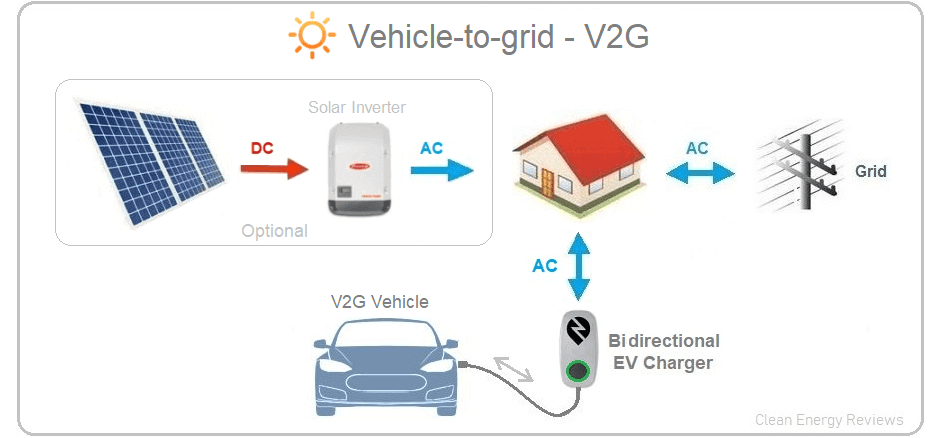
The prospect of millions of EVs equipped with bidirectional chargers plugging into the grid presents exciting possibilities, but also significant technical hurdles. Here’s a deeper dive into the challenges and potential solutions:
Challenges:
- Two-Way Power Flow Management: The current grid is designed for one-way power flow – from power plants to consumers. Bidirectional charging introduces the complexity of managing power flowing in both directions simultaneously. This necessitates upgrades to grid management systems to accommodate real-time monitoring and control of bidirectional power flow from millions of EVs.
- Communication Infrastructure: Effective communication between EVs, chargers, and the grid is essential for safe and efficient operation. Upgrades to communication infrastructure might be needed to ensure reliable data exchange and control signals related to charging and discharging.
- Power Quality and Safety: Maintaining stable power quality during both charging and discharging scenarios is crucial. Fluctuations in voltage and frequency could damage equipment and disrupt grid stability. Advanced inverters and power electronics within the bidirectional chargers and grid infrastructure will be needed to ensure consistent and safe power flow.
- Distribution Grid Capacity: The current distribution grid, particularly in older neighborhoods, might not have the capacity to handle the additional power demands from millions of EVs charging simultaneously. Upgrading transformers, lines, and substations in these areas could be necessary to accommodate the increased power flow.
Solutions:

- Smart Grid Technologies: The integration of smart grid technologies like smart meters and advanced distribution management systems will be crucial for managing bidirectional charging. These technologies allow for real-time monitoring of grid conditions, enabling utilities to optimize power flow and prevent overloading.
- Vehicle-to-Grid Communication Protocols (V2G): Standardized communication protocols for V2G interaction are essential. These protocols will allow EVs to communicate with the grid and receive instructions on charging and discharging schedules based on real-time grid needs.
- Dynamic Pricing: Implementing dynamic pricing models can incentivize EV owners to charge during off-peak hours and discharge power during peak hours. This can help to flatten peak demand curves, reducing stress on the grid.
- Grid Investment and Modernization: Significant investments in grid modernization will likely be required. Upgrading infrastructure will be key to ensuring the grid has the capacity and intelligence to handle the two-way flow of power from millions of EVs.
- Business Model Innovation: New business models are needed to incentivize utilities and consumers to adopt bidirectional charging. This could involve government subsidies, rebates for charger installations, or programs that reward EV owners for participating in V2G services.
Overall, overcoming the technical challenges with bidirectional charging will require a multi-pronged approach. This includes investment in smart grid technologies, standardized communication protocols, dynamic pricing models, and grid infrastructure upgrades. Additionally, innovative business models are needed to ensure a win-win situation for both utilities and consumers.
 Elektronikar