

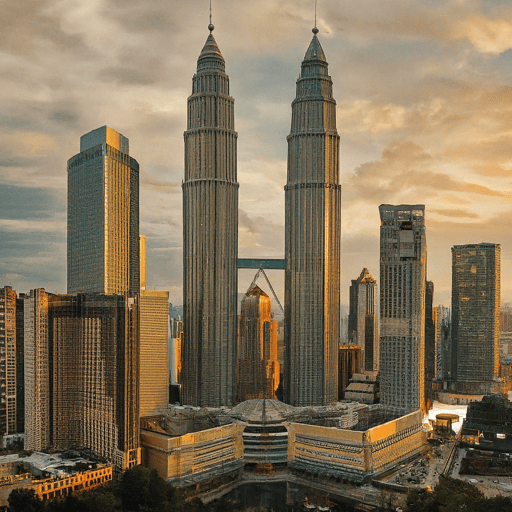
After years of consideration, there is a microscopic amount of movement in the shift of the Malaysian government’s fuel policy, talk of free-floating the price of RON95 petrol and diesel is once again making the rounds.
This time, analysists are estimating that the move could save the government up to RM29 billion in annual subsidy expenditure.
The Malaysian government’s reluctance to remove fuel subsidies likely stems from a combination of factors: which includes public perception and affordability, economic concerns, political considerations and perhaps a lack of alternative solutions.
Public Perception and Affordability is likely the main factor holding them backs as uel prices are a major concern for many Malaysians, particularly lower-income earners and those reliant on personal vehicles.

Removing subsidies could lead to a significant increase in transportation costs, potentially causing hardship and public backlash.
All government take Political Considerations into account and fuel subsidies are often seen as a form of social safety net and a benefit provided by the government and removing them could be seen as an unpopular move that could hurt the government’s standing with voters.
Historical Context and Subsidy Dilemma
The current fuel subsidy system in Malaysia has its roots in the nation’s rapid industrialization efforts of the 1970s. To attract foreign direct investments, the government offered a well-trained workforce with lower salaries compared to developed nations.
However, to counter this deliberate suppression of wages and ensure a decent standard of living for its citizens, the government implemented a system of subsidies on fuel and essential goods.
Although the first two factors may seem lacking data support Economic Concerns are real.
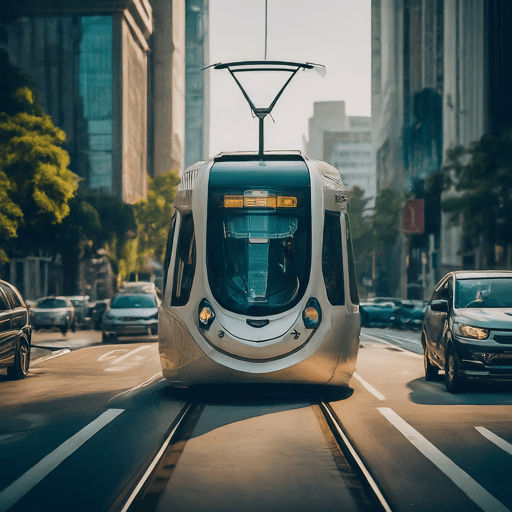
A sudden rise in fuel prices could have a ripple effect on the broader economy, potentially leading to inflation in other goods and services. The government might be hesitant to disrupt the current economic stability.
Meanwhile we can see that they are seeking Alternative Solutions to manage fuel consumption and promote sustainability. These could include improving public transportation, investing in EV infrastructure, and promoting fuel-efficient vehicles.
Overall, the Malaysian government is likely weighing the potential economic benefits of removing fuel subsidies against the potential social and political costs. They might be exploring alternative solutions that address both economic and environmental concerns.
However, the potential benefits need to be weighed against potential drawbacks, particularly regarding affordability and the nation’s transition to electric vehicles (EVs).
Savings and Sustainability Concerns
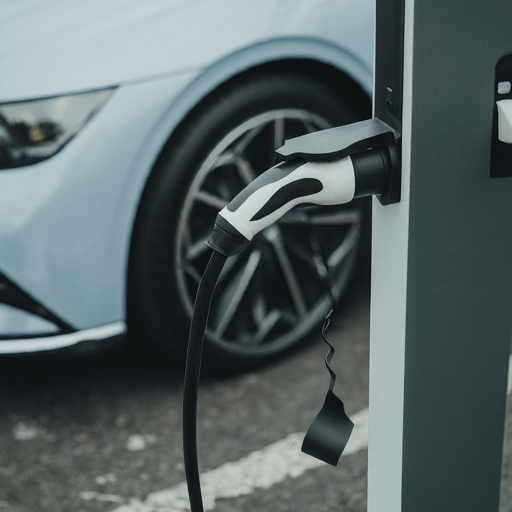
Proponents of free-floating fuel prices argue that the current subsidy system is inefficient, benefiting even high-income earners. Removing subsidies could free up resources for targeted social programs focusing on those who truly need assistance. Additionally, market-driven fuel prices could act as a disincentive for excessive fuel consumption, encouraging a shift towards more fuel-efficient vehicles and potentially accelerating the adoption of EVs.
However, concerns remain. Free-floating fuel prices could place a strain on household budgets, particularly for those heavily reliant on personal vehicles. Not
On the other hand, not floating fuel proices might slow down the adoption of EVs if fuel costs remain relatively affordable.
Sustainability and Fulfilling Global Commitments
Malaysia’s carbon footprint reduction goals are intricately linked to transportation emissions. Replacing petrol and diesel vehicles with EVs would have a significant positive impact.
This not only benefits the environment domestically but also strengthens Malaysia’s position in the global community. By promoting EVs, the nation demonstrates its commitment to international agreements and establishes itself as a leader in sustainable transportation.
As an added benefit, the more people buy EVs, the less petrol and diesel they would use and this would reduce the government’s fuel subsidy expenditure.
Investing in Public Transport and Last-Mile Connectivity
If the government decides to move forward with free-floating fuel prices, utilizing the saved RM29 billion strategically could significantly benefit Malaysians. Here are some potential areas for investment:
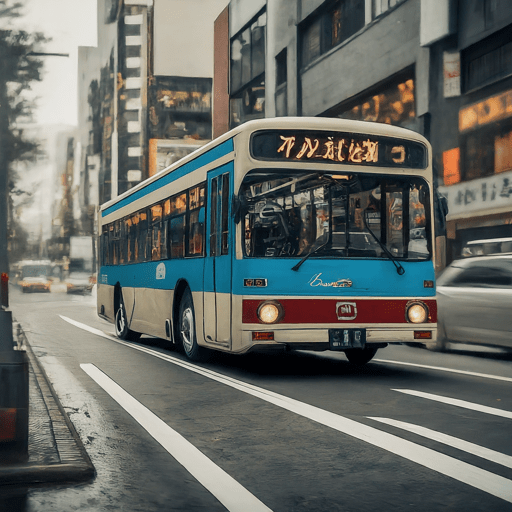
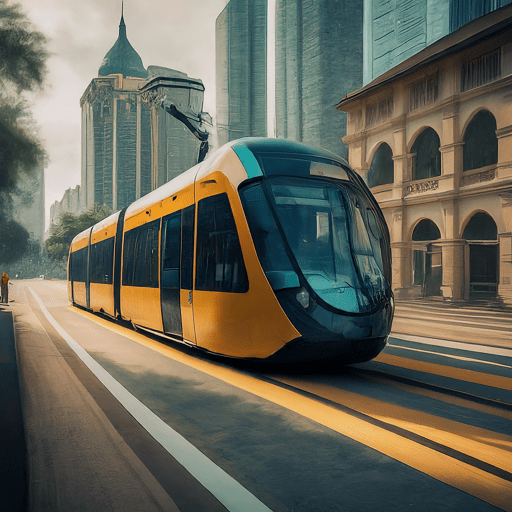
- Public Transport Infrastructure: Upgrading and expanding public transportation networks, including buses, trains, and trams, is crucial. This would provide a reliable and affordable alternative to personal vehicles, especially in urban areas.
- Last-Mile Connectivity: Addressing the “first and last mile” challenge – the gap between public transport stations and individual destinations – is critical. This could involve investments in feeder buses, cycling lanes, and improved pedestrian infrastructure.
- EV Infrastructure: Allocating funds to expand charging stations nationwide would remove a significant barrier to EV adoption. This would encourage more Malaysians to consider EVs as a viable option.
- Subsidies for Low-Income Earners: Reallocating a portion of the saved funds could be used to create targeted fuel subsidies for lower-income Malaysians, mitigating the impact of potential price increases.
The Path Forward
The decision regarding fuel price liberalization is complex and requires careful consideration. While the potential financial savings are significant, the potential impact on citizens and the environment needs to be addressed. By investing in public transportation, last-mile connectivity, and EV infrastructure alongside any fuel price changes, the government can create a more sustainable and equitable transportation system for all Malaysians.
 Elektronikar