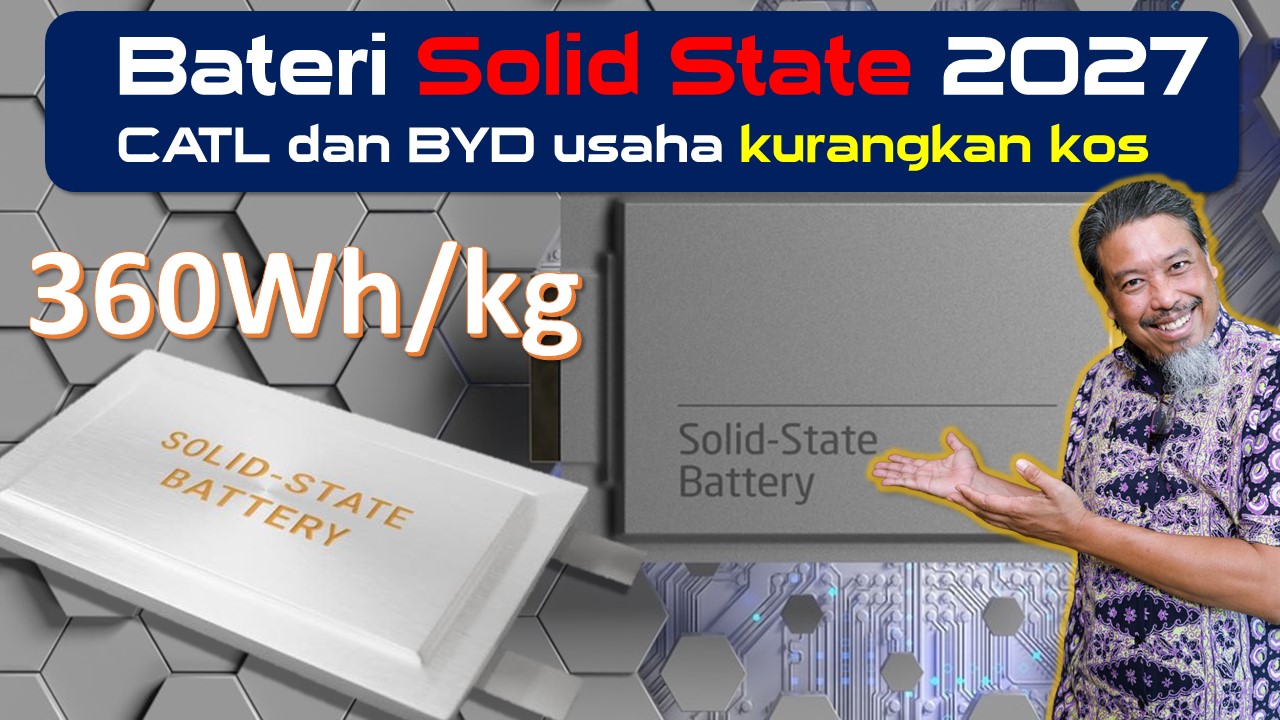

The race to commercialize solid-state batteries is intensifying, with major players like BYD, CATL, Toyota, and several others setting ambitious timelines for production. Solid-state batteries promise significant advantages over traditional lithium-ion batteries, including higher energy density, improved safety, and faster charging times. However, the path to mass production is fraught with challenges that could delay their widespread adoption.
Current Landscape of Solid-State Battery Development
BYD’s Commitment
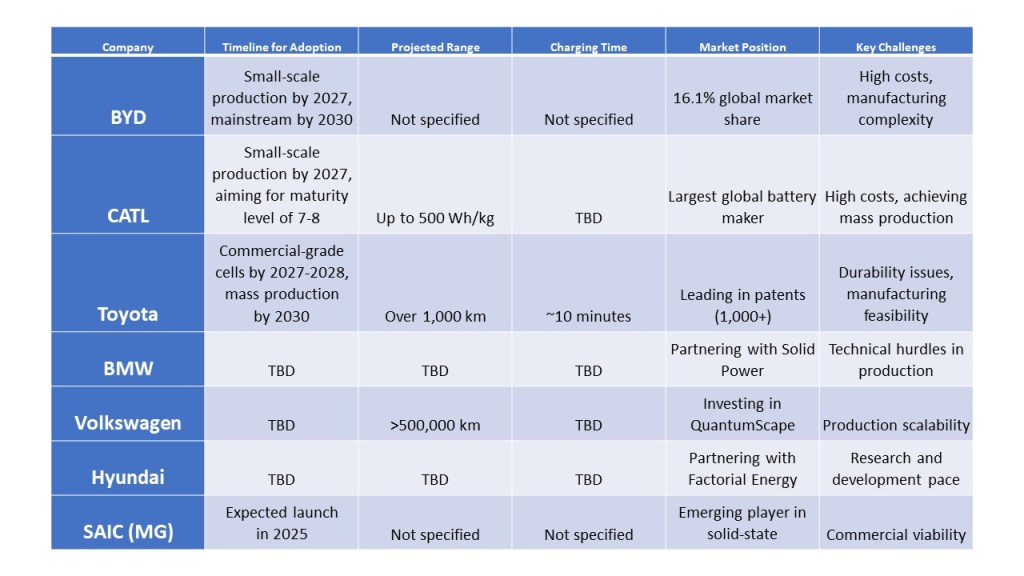
BYD, the world’s largest new energy vehicle (NEV) manufacturer, has set its sights on small-scale production of solid-state batteries by 2027, with a goal of mainstream adoption by 2030. Lian Yubo, BYD’s chief scientist, emphasizes that while challenges such as high costs and complex manufacturing processes exist, the company is committed to advancing solid-state technology. BYD’s strategy involves initially deploying these batteries in high-end models before expanding to mid-range and budget vehicles. This phased approach reflects a cautious optimism about overcoming existing technological hurdles.
CATL’s Strategic Position
Contemporary Amperex Technology Co. Ltd. (CATL), the largest battery manufacturer globally, also aims for small-scale production of solid-state batteries by 2027. Wu Kai, a senior scientist at CATL, indicated that the technology’s maturity is currently rated at 4 out of 9, with aspirations to reach 7 or 8 by 2027. CATL’s focus on energy density improvements—targeting up to 500 Wh/kg—positions it well within the competitive landscape. The company is part of a consortium aiming to advance solid-state battery technology in China, demonstrating a collaborative effort to maintain its leadership in battery technology.
Toyota’s Pioneering Efforts
Toyota has been at the forefront of solid-state battery development for years and holds over 1,000 patents related to this technology. The automaker plans to achieve small-scale mass production by 2027-2028, with an eye toward commercial vehicles by 2030. Toyota’s solid-state batteries are projected to offer ranges exceeding 1,000 kilometers (621 miles) and can charge in approximately 10 minutes. However, durability remains a significant challenge; repeated charging cycles can lead to performance degradation due to cracks forming between components.

Other Competitors
- Nissan aims for commercialization of its solid-state batteries by 2028, supported by plans for a pilot plant in Yokohama.
- BMW is collaborating with Solid Power and has yet to announce specific timelines but is actively pursuing advancements in solid-state technology.
- Volkswagen, through its investment in QuantumScape, has targeted 2024 for establishing a trial production line but faces uncertainties regarding large-scale production.
- Emerging players like GAC Group have announced plans for mass production of fully solid-state batteries by 2026, indicating a growing interest from various manufacturers.
Challenges Facing Solid-State Battery Commercialization
Despite the promising outlook for solid-state batteries, several challenges must be addressed before they can be widely adopted:
- Manufacturing Complexity: The transition from laboratory-scale production to commercial viability involves overcoming significant technical barriers. Solid-state batteries often utilize ceramic electrolytes that pose difficulties in scaling up production processes.
- Cost Factors: Current estimates suggest that solid-state batteries may be more expensive than traditional lithium-ion counterparts due to material costs and manufacturing complexities. Companies like Solid Power claim potential cost advantages over existing technologies but achieving this at scale remains uncertain.
- Durability Issues: As highlighted by Toyota’s experiences, maintaining performance over time is critical. Cracks between electrodes and electrolytes can degrade battery efficiency and lifespan.
- Regulatory Hurdles: The automotive qualification process for new battery technologies can take several years. Analysts estimate that it could take between four to six years for solid-state battery manufacturers to navigate this process successfully.
Market Entry Predictions
Given the current trajectories of various companies involved in solid-state battery development, predictions about market entry can be made:
- Earliest Entry: GAC Group may achieve mass production as early as 2026, positioning itself as a potential first mover in this space.
- Widespread Adoption Timeline: Analysts predict that solid-state vehicles will begin gaining market share in luxury segments between 2030 and 2035, followed by broader adoption across the mass market.
- Mainstream Production: Companies like BYD and CATL are targeting significant production capabilities around 2030, which aligns with broader industry expectations for when solid-state batteries will become commonplace.
Likely Leaders in Solid-State Battery Technology
The competition among manufacturers suggests that several companies could emerge as leaders in solid-state battery technology:
- Toyota: With its extensive patent portfolio and ongoing R&D efforts focused on durability and performance improvements, Toyota is well-positioned to lead if it successfully navigates manufacturing challenges.
- CATL: As the largest battery manufacturer globally, CATL’s resources and commitment to innovation could enable it to dominate once small-scale production begins.
- BYD: Its established market presence and strategic approach may allow it to capture significant market share if it can effectively address cost and manufacturing hurdles.
Conclusion
The future of solid-state batteries is promising yet uncertain. Major players like BYD, CATL, Toyota, Nissan, and others are racing against time to overcome technical challenges while setting ambitious timelines for commercialization. While early entries into the market may come from companies like GAC Group or even Nissan by 2028, widespread adoption will likely take longer than anticipated due to regulatory hurdles and manufacturing complexities.As investment continues to pour into this sector—fueled by both public interest and policy support—the potential for breakthroughs remains high. However, the transition from prototype to mass-market product will require sustained effort across the industry. The next few years will be crucial as these companies strive not only for technological advancements but also for a competitive edge in what could become a transformative shift in energy storage technology within the automotive sector.
 Elektronikar