
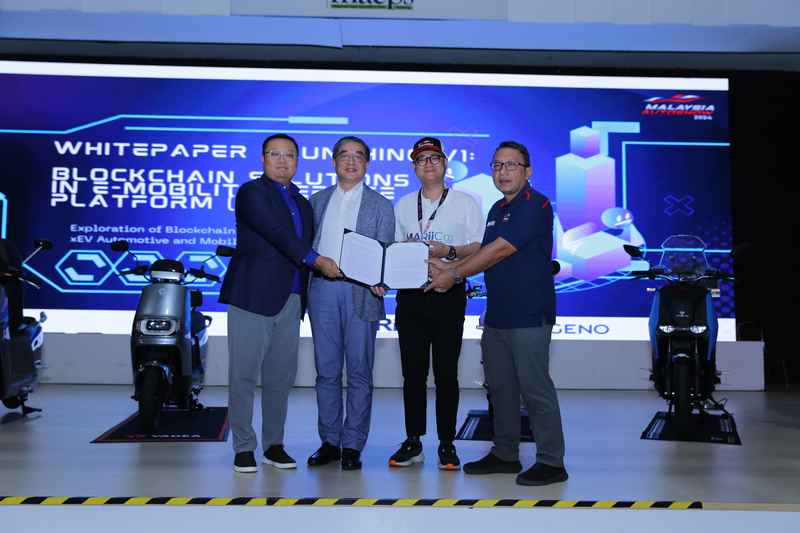
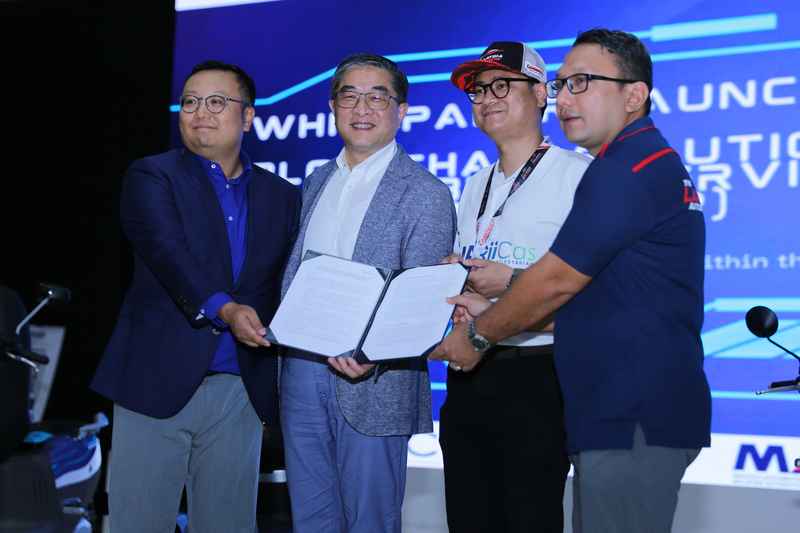
Imagine a future where your car not only gets you from point A to point B but also earns you rewards, ensures your safety, and keeps all its records in a secure digital ledger. This is the vision Malaysia is steering towards with its latest initiative to integrate blockchain technology and digital tokens into the nation’s transportation system. Unveiled by the Malaysia Automotive Robotics and IoT Institute (MARii), in collaboration with Geno Group and ACO Tech, this initiative promises to revolutionize how we drive, making it smarter, safer, and more efficient.
Transforming Malaysia’s Mobility with Blockchain and Tokens
Blockchain Technology
Blockchain is like a digital notebook where every transaction is recorded securely and transparently. Imagine every time you charge your electric vehicle (EV), get it serviced, or even buy a new part, these actions are written down in this digital notebook. Once an entry is made, it cannot be changed or deleted, ensuring that all records are accurate and trustworthy. For Malaysia’s transportation system, this means every aspect of your EV is tracked and managed, providing a complete and secure history of your vehicle.
Digital Tokens
Digital tokens are like digital points or currency that can be earned and used within the transportation system. Think of them as rewards you might get from your favorite store, but in this case, they are earned by using and maintaining your EV. For instance, you might earn tokens for charging your car at designated stations or for using the car in an eco-friendly manner. These tokens can then be used to pay for services or even exchanged for other benefits within the EV ecosystem. This creates an incentive for people to engage more with their EVs and adopt sustainable practices.
The Grand Vision: Enhancing Malaysia’s Mobility
Support for EV Infrastructure
This initiative is part of a larger plan to support and develop the infrastructure needed for electric vehicles across Malaysia. The National Automotive Policy 2020 (NAP 2020) outlines the government’s vision for a connected and sustainable mobility ecosystem. By integrating blockchain and tokens, the initiative aims to accelerate the development of charging stations, service centers, and other necessary infrastructure. This will make it easier for people to switch to EVs, knowing that a reliable and efficient support system is in place.
Real-World Benefits
One of the biggest advantages of using blockchain in transportation is transparency. Every transaction, from charging your car to getting it serviced, is recorded in a way that is visible to all parties involved. This ensures that all actions are accountable and traceable, reducing the risk of fraud or discrepancies. Additionally, the use of digital tokens provides a clear incentive for users. By earning tokens for maintaining and using their EVs, drivers are encouraged to adopt and stick with eco-friendly practices. This not only benefits individual users but also contributes to a greener and more sustainable environment.
Global Inspirations and Local Potential
Successful Implementations Worldwide
To understand how this initiative could benefit Malaysia, let’s look at some successful examples from around the world.
VeChain:
VeChain is a global leader in using blockchain for supply chain management. In the automotive industry, it enhances transparency and efficiency by tracking parts and vehicles throughout their lifecycle. Multinational companies in Malaysia could adopt similar solutions to ensure that every component of an EV is authentic and of high quality.
DOVU:
DOVU, primarily active in Europe, uses mobility tokens to incentivize sustainable travel. Users earn tokens by sharing mobility data or using environmentally friendly transportation options. While not yet widely adopted in Malaysia, this model could be adapted to encourage the use of EVs and public transportation.
Helium:
Helium provides a decentralized wireless network where participants earn tokens by providing network coverage. This model is growing worldwide and shows the potential for similar infrastructure development in Malaysia. By creating a network of connected devices, Helium’s approach can support the integration of smart technologies in EVs.
Technological Foundations in Malaysia
Ethereum and Chainlink:
Ethereum is a platform for creating and deploying smart contracts—self-executing contracts with the terms directly written into code. Chainlink enhances these contracts by allowing them to interact with real-world data. These technologies are already used by Malaysian developers for various decentralized applications (dApps), demonstrating a foundational readiness for more complex blockchain implementations.
Brave Browser and Ocean Protocol:
Brave Browser rewards users with Basic Attention Tokens (BAT) for viewing ads while maintaining privacy, and Ocean Protocol creates a marketplace for data monetization and privacy. Both technologies are available in Malaysia and show practical applications of blockchain. These examples set the stage for wider adoption of blockchain and token systems in other sectors, including transportation.
Overcoming Challenges
Regulatory Environment
One of the critical hurdles in adopting blockchain and tokenomics is ensuring compliance with existing laws. The technology is still evolving, and so are the regulations governing its use. For this initiative to succeed, Malaysia must establish clear guidelines that facilitate the legal and ethical use of blockchain and tokens. This means working closely with regulators to ensure that all aspects of the technology are transparent, secure, and trustworthy.
Building Public Trust
Blockchain technology is often associated with scams and fraud, making public trust a significant barrier. Overcoming this skepticism requires transparent communication and education. By explaining how blockchain and tokens work in simple terms and highlighting their benefits, the public can better understand and trust these technologies. Success stories from other countries and clear, demonstrable benefits will be key in building this trust.
Technological Infrastructure
Implementing blockchain technology requires robust technological infrastructure. Malaysia must invest in the necessary technology to support blockchain’s high computational and energy demands. This includes developing reliable internet connectivity, data centers, and other digital infrastructure components. Ensuring that the technological backbone is in place will be crucial for the successful deployment and scaling of blockchain and token systems.
Conclusion
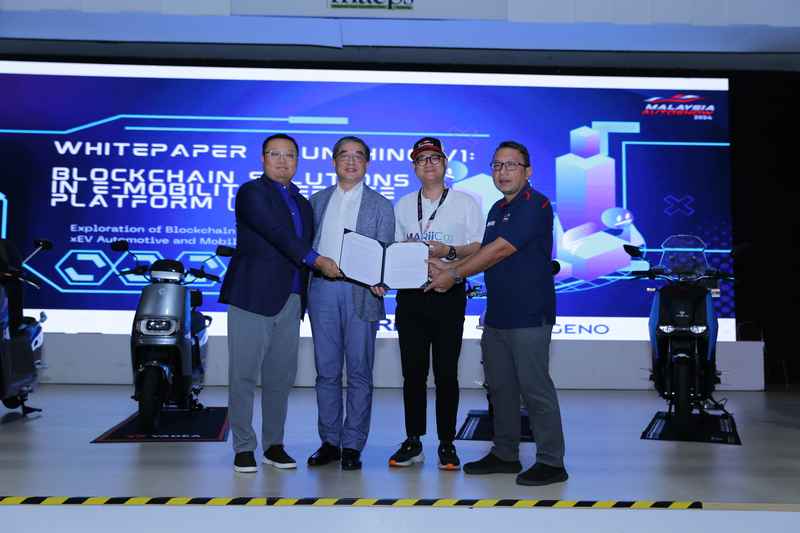
The unveiling of this initiative by MARii, Geno Group, and ACO Tech signals a new era for Malaysia’s transportation system. By integrating blockchain technology and digital tokens, Malaysia is set to transform driving into a smarter, safer, and more rewarding experience. As the country navigates this digital drive, the benefits of a connected and efficient mobility ecosystem are within reach, promising a brighter and more sustainable future for all. This move not only aligns with global trends but also positions Malaysia as a forward-thinking nation ready to embrace the digital future.
 Elektronikar