

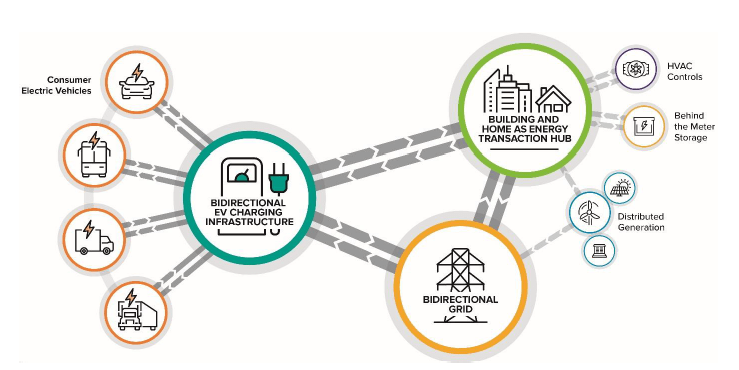
If we want to transition to an all electric land transportation system, converting all cars, bikes, buses and trucks to run on electric motors, we would also need to transform the national grid to make it make sense.
A key change in the power supply ecosystem as we shirt towards electric vehicles is the large scale availability of electricity storage systems that can be used to support and satabilise the grid.
This transformational change offers huge benefits to the country but also poses some difficult technical challenges to the national grid. While we think it is as simple as plug and play, that’s only because as laymen we dont really understand the complexity of the national grid and how it provides quality electricity to us roudn the clock.
Reasons for Potential Resistance to Bidirectional Chargers from Grid Operators and Power Generators:
While bidirectional charging offers exciting possibilities for the future of the grid, there are reasons why power generators and grid operators might be hesitant about its widespread adoption:
- Cost: Currently, bidirectional chargers are significantly more expensive than traditional AC chargers. The additional technology required for two-way power flow adds a significant price premium. Widespread adoption would require a substantial investment from utilities and potentially even government subsidies to offset costs for consumers.
- Grid Infrastructure Upgrades: Bidirectional charging, if adopted on a large scale, could necessitate upgrades to the existing electricity grid. The grid needs to be able to handle the two-way flow of power from millions of EVs. This would be a complex and potentially expensive undertaking that could take time and significant investment.
- Uncertain Impact on Demand: The impact of widespread bidirectional charging on overall electricity demand is still uncertain. While EVs could potentially help manage peak demand by feeding power back to the grid, the actual usage patterns of EV owners are still unknown. Utilities might be hesitant to rely heavily on a technology with an uncertain impact on grid stability.
- Technical Challenges: Managing the two-way flow of power from millions of EVs could introduce new technical challenges for grid operators. Integration with existing grid management systems and ensuring stable power quality during both charging and discharging scenarios would be crucial considerations.
- Regulatory Hurdles: Regulations around bidirectional charging and how EVs interact with the grid might need to be developed or updated. This could involve issues like net metering policies, compensation for electricity fed back to the grid, and safety protocols for bidirectional power flow.
Economic and Technical Benefits for Grid Operators and Power Generators:
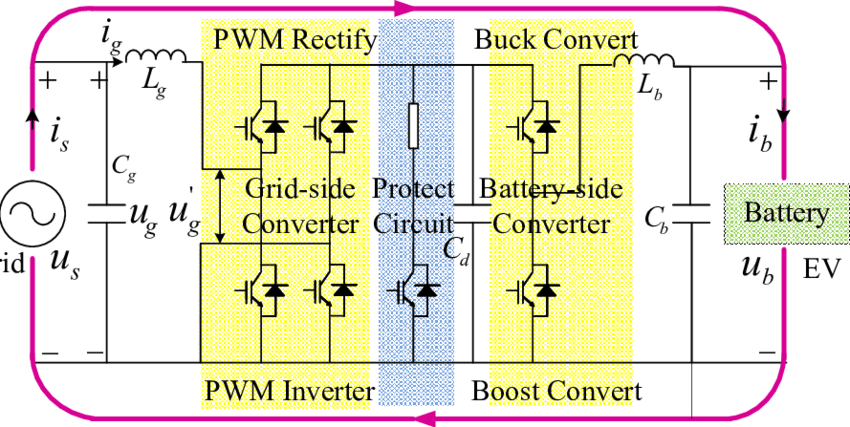
Despite the potential challenges, bidirectional charging also offers economic and technical benefits for grid operators and power generators:
- Peak Demand Management: Bidirectional charging could act as a vast distributed energy storage system, helping to manage peak demand on the grid. EVs could discharge stored energy during periods of high demand, reducing reliance on expensive “peaker plants” and potentially lowering overall electricity costs.
- Integration of Renewables: Bidirectional charging could facilitate the integration of renewable energy sources like solar and wind. EVs could store excess renewable energy generated during peak production times and then use that power later when renewable sources aren’t readily available.
- Revenue Opportunities: Utilities could offer new programs and services related to bidirectional charging. For example, they could offer time-varying electricity rates that incentivize EV owners to charge during off-peak hours and discharge power during peak hours. Additionally, V2G services could create new revenue streams for utilities by allowing them to purchase electricity from EV owners.
- Grid Resilience: The ability of EVs to act as backup power sources could improve the overall resilience of the grid during outages. This could be particularly beneficial in areas prone to power disruptions.
Overall, the economic and technical benefits of bidirectional charging are undeniable. However, addressing the challenges related to cost, infrastructure, and regulation will be crucial for its widespread adoption.
 Elektronikar