
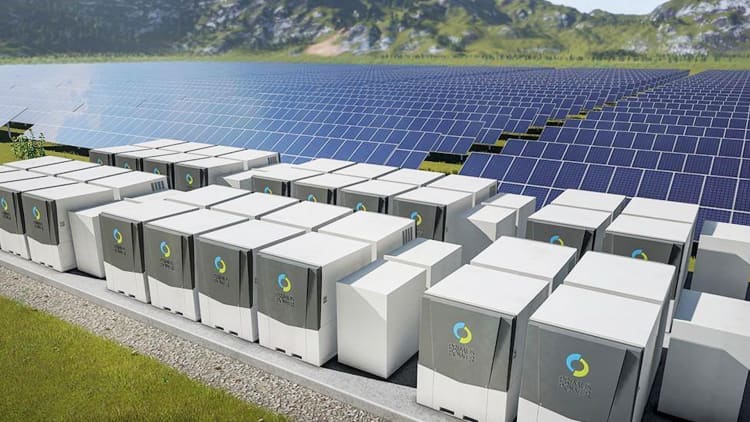

I am essentially writing this article in response to friends and family asking me about the future of electric vehicles. And I usually tell them it’s not about the car; it’s about solar and battery.
When we listen to the news and hear a lot of the conversation revolving around electric vehicles and renewable energy to reduce the impact of climate change, it’s easy to forget that this is a discussion about energy, more than anything else.
Ask any scientist and engineer, and they would readily tell you that electricity is a much more efficient way of generating power and distributing it across the world. In fact, most of the energy we use in our factories, offices, shops, and homes is electrical.


Hydrocarbon is the talk of the town because it powers cars, trucks, planes, and ships—things that move and things that attract our attention. It is so much in the news as a result of political posturing and its use in economic warfare.
The civilizational change that we need to move the planet to the next level came in the late 1990s with the development of commercially viable rechargeable lithium-ion batteries, which allow for significantly denser storage capacity compared to previous rechargeable battery technology.
“Rechargeable” was only recently promoted to be the main characteristic of batteries, and the money needed to fund battery research came out of the need to power small electronic devices. This, in turn, was made possible by the breakneck speed of integrated circuit development that gave birth to the microprocessor and computer.

As the number of electronic devices around us increases and most of them demand to be connected to some remote wisdom server somewhere, the need for electricity will increase exponentially.
The need for artificial intelligence number crunchers that look like huge warehouses will put a lot of pressure on grids in the coming decades. This will require an overhaul of the electricity supply system.
For the most part, our grid needs to behave more like our water supply system; it needs storage, more so now that the cost of solar-generated electricity has fallen to nominal, at around 2 cents per kWh.
The combination of battery and solar developments will revolutionize the way we generate, store, and consume energy on a global scale.
The decline in solar electricity costs will force widespread adoption and threaten to put oil, gas, and coal on the back foot, if not completely out of the business.
According to a 2014 report by the International Energy Agency (IEA), the sun could be the world’s largest source of electricity by 2050, ahead of fossil fuels, wind, hydro, and nuclear.
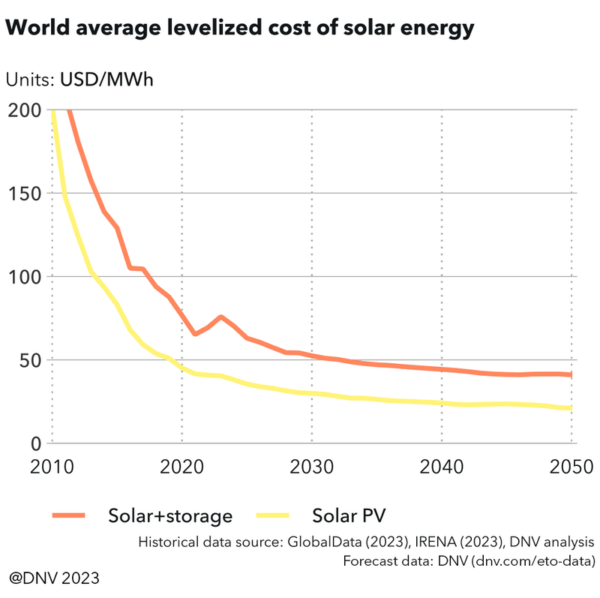
In 1975, when solar panels hit the market, the cost was about $115.3 per watt. By 2010, this price was already $2.15 per watt, and by 2021 it dropped another 90 per cent to only $0.27 per watt.
In July 2023, the price has dropped to $0.19 per watt and may fall further due to overcapacity in China, the world’s largest producer of solar panels.
A quick check of the news will show that the overwhelming majority of new grid-linked power generation projects are solar-based, and that is before we start looking at how batteries will further integrate renewable energy with mainstream grids.

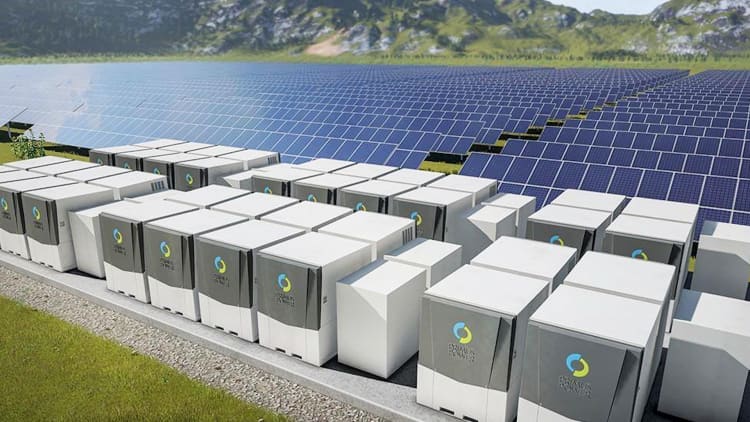
The combination of low-cost solar power and declining battery prices addresses the intermittent nature of renewable energy sources. Energy storage systems, powered by cost-effective batteries, will play a key role in ensuring grid stability by storing excess energy when the sun is bright and the wind blows hard, releasing it during periods of low generation.
Once the grid is primarily cheap solar that also provides energy independence, nations will find that the weakest link in their energy chain is hydrocarbon. They will do their best to minimize their reliance on it, and that takes us to one of the biggest users of hydrocarbon: transportation.
There is no doubt that it is difficult to match the power density of good old petrol, diesel, and kerosene, but even as we complain about how heavy batteries in electric cars are, people are already having a mind shift about how they should power their cars in the future.
Below is a simple comparison between the energy cost of a daily 18km commute in an electric car, a Tesla Model 3 in this case, and a Mazda CX8 2.2 Diesel. The cost of electricity is a quarter that of diesel. It seems that the main reason most people will convert to electric vehicles is energy efficiency, or in layman’s terms, because it will save them money.

If you need to take away anything from this article, just remember that energy efficiency means saving money. Lithium batteries are also taking the lead in the electrification of transportation.
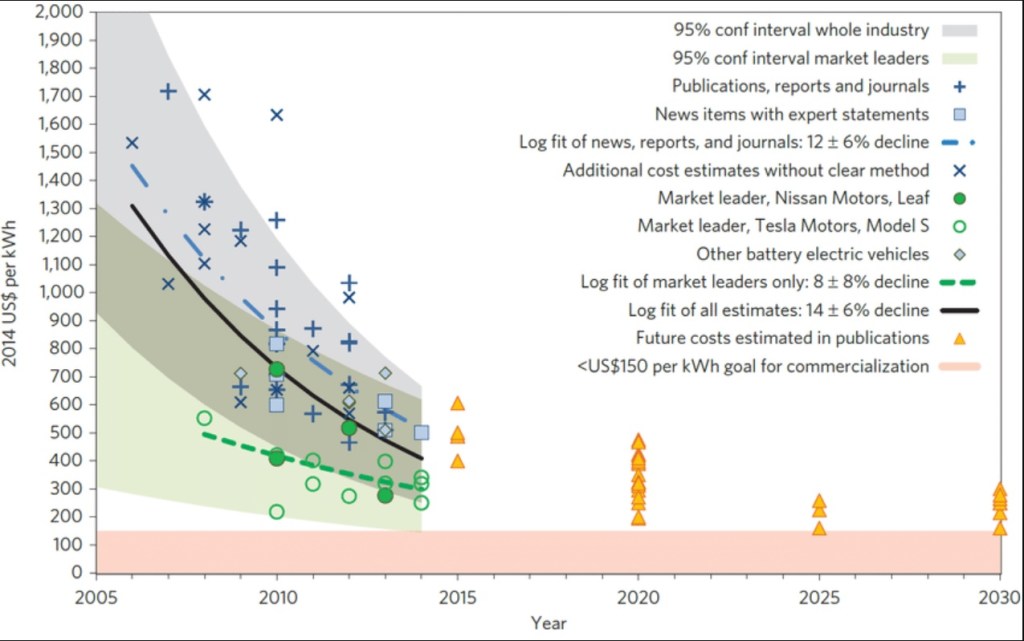
As battery prices dropped nearly 90 per cent in the last 10 years, it is expected to further tumble another half in five years, making electric vehicles more accessible and cost-competitive.
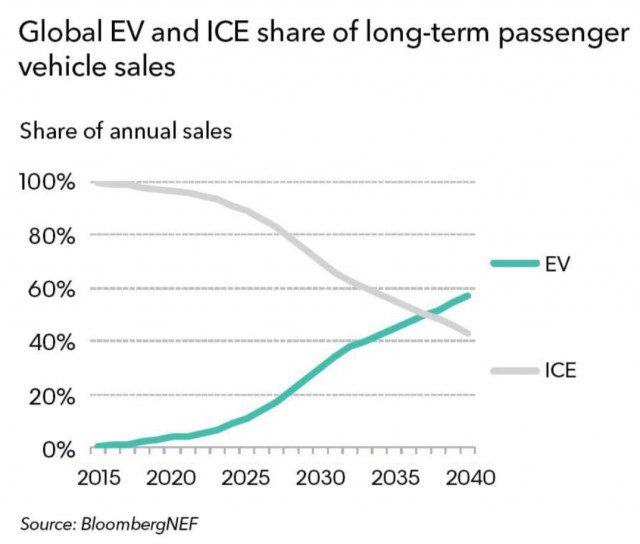
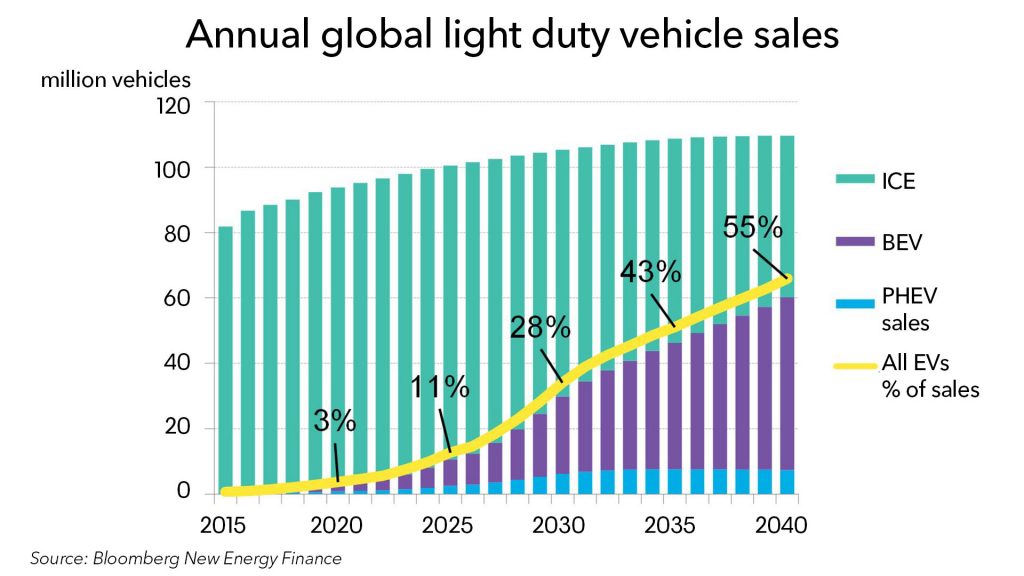
Once electric cars become mainstream, the number of large battery packs in the wild will also increase exponentially. This will eventually lead to a highly decentralized or distributed grid system where each home will be net energy-positive just through solar panels on the roof and house batteries.
How this will eventually take place is not really known yet, but I would like to suggest two paths. First is by using dedicated new grid and/or home batteries or grid and/or home batteries that are repurposed from warranty replacement EV batteries.
Almost all EV manufacturers give a specific warranty for their battery, and typically it is promised that the battery will keep at least 80% state of health within eight years.
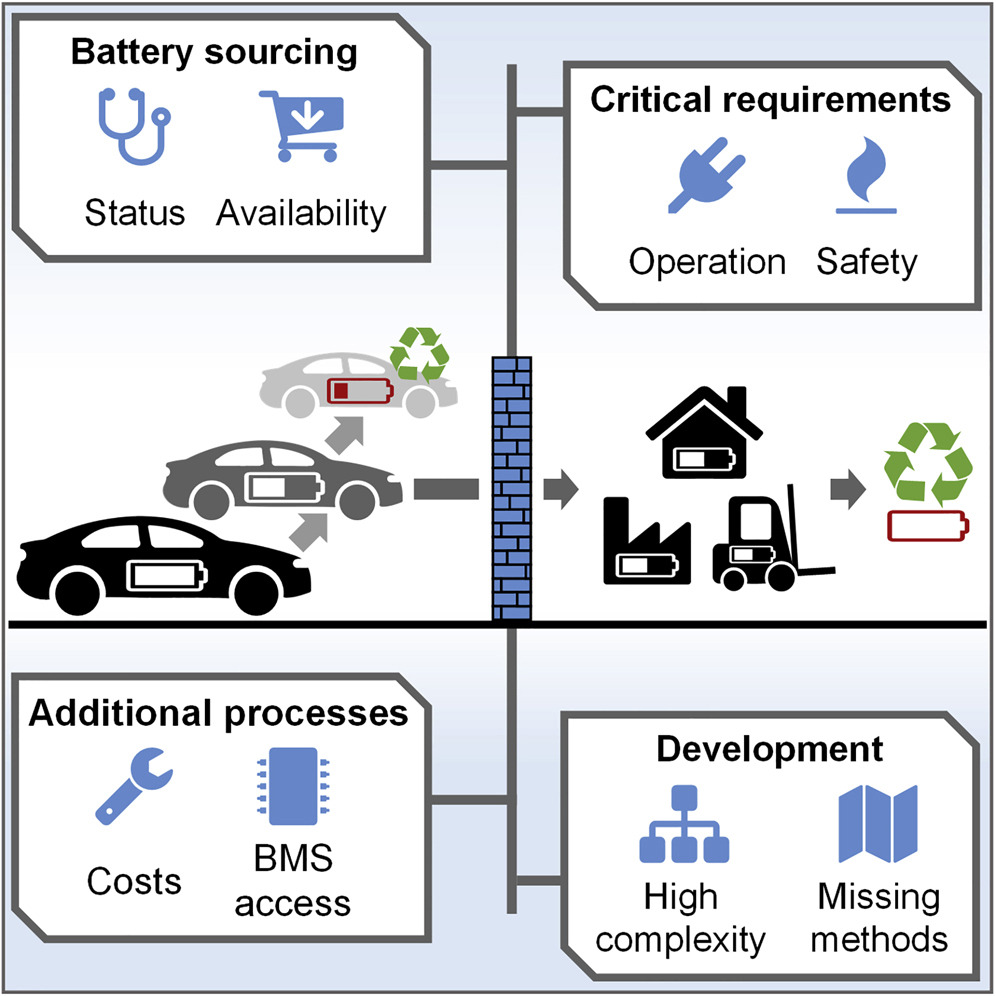
What this means is that if your battery can only hold 79% charge or less than promised within 8 years, then the manufacturer will replace it. The battery itself is not dead and still has a lot of life in it, just not in a car.
A car requires very high current draw to power all that acceleration that everyone enjoys. Once the battery drops below 80% state of health, it can only deliver 80% of the promised juice. That means you will probably notice the performance drop.
Please bear in mind that the typical ICE engine loses between 1% and 1.5% of its power every year until it eventually needs an overhaul.
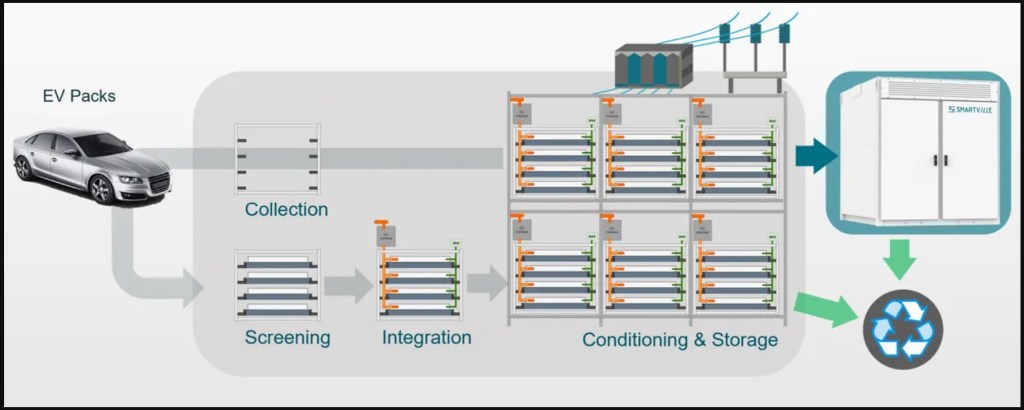
So when you get your battery replaced under warranty, the naysayers say that these huge power packs will end up in landfills because it is so hard to recycle them.
In reality, recycling technology has kept abreast of battery technology, and the biggest problem facing recyclers is the lack of large EV batteries to recycle because, after the batteries are replaced, they can still be used as home or grid batteries.
Most warranty replacement batteries will be paired with a new battery management system that will allow it to manage charge and send power back to the grid. Or it could just end up as mobile emergency packs for the rescue services or municipalities to use in remote locations.
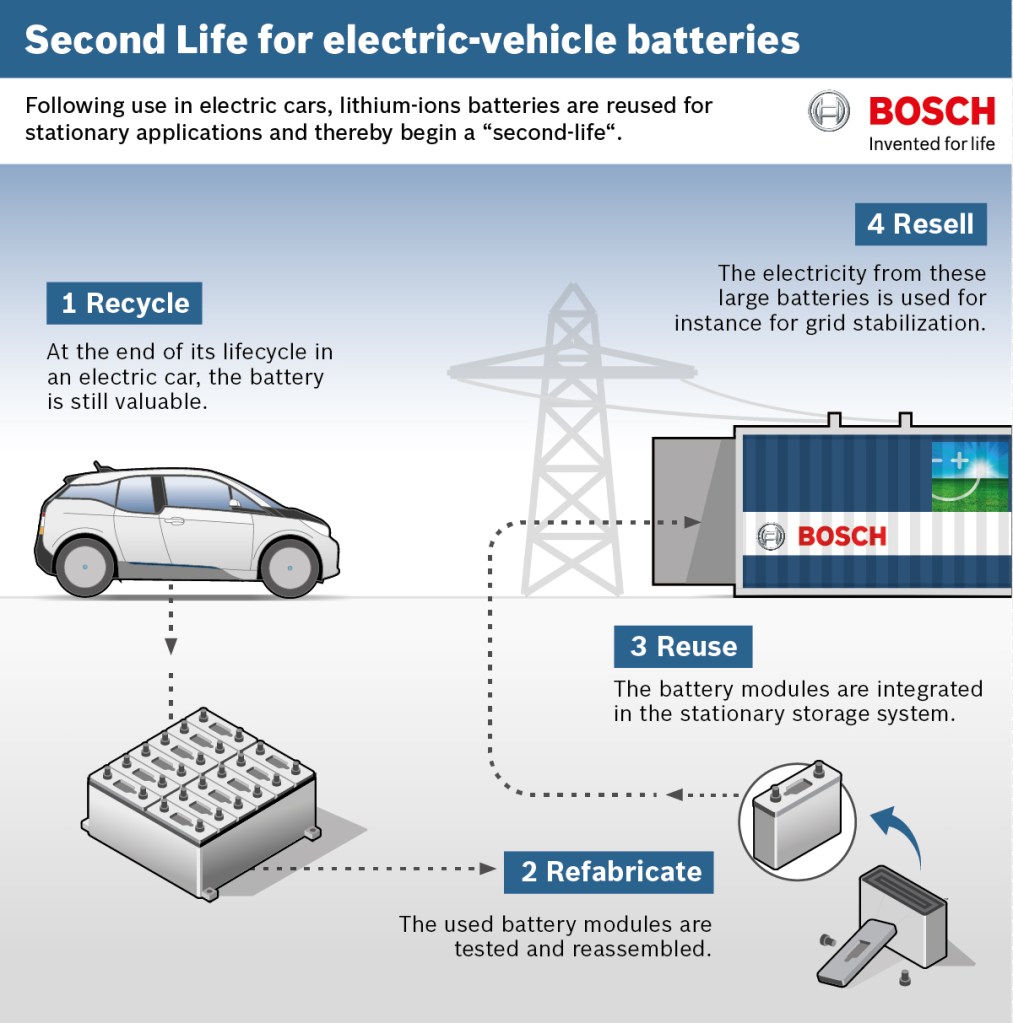
Whichever way you use it, warranty replacement batteries can remain useful for at least another 15 to 20 years because home and grid use will not likely require such high current draw like that of a car.
As we navigate the complexities of the 21st century, the civilizational impact of lithium batteries is unmistakable. Beyond powering devices and vehicles, these batteries are catalysts for a more sustainable and interconnected world.
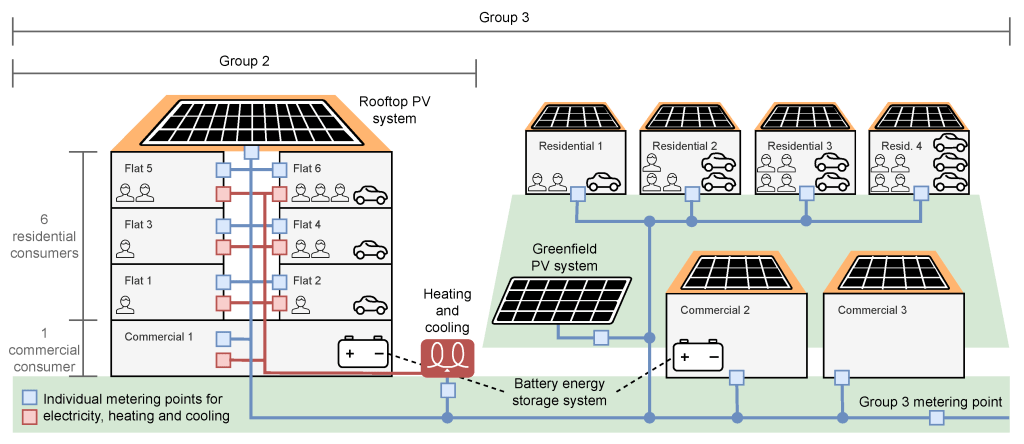
The ongoing evolution of lithium technology holds the promise of reshaping our civilizations, driving us toward a future where clean energy, efficient transportation, and sustainable practices become integral to the fabric of our societies.
The impact of lithium batteries extends far beyond the realm of technology; it permeates the very foundations of our way of life, marking a transformative era in human civilization.
The combined effect of reduced battery costs and affordable solar power has the potential to reshape both the EV industry and the power generation sector, and this is the real reason EVs will become irresistible.
And, of course, this will help lift human civilisation to the next step in terms of energy efficiency, just as fire, horses, steam, and hydrocarbon has in the past.
 Elektronikar