
When talking to friends who are exploring the possibility of switching to electric vehicles, charging is the second most common pain point cited and many wonder why battery swapping is not more popular.
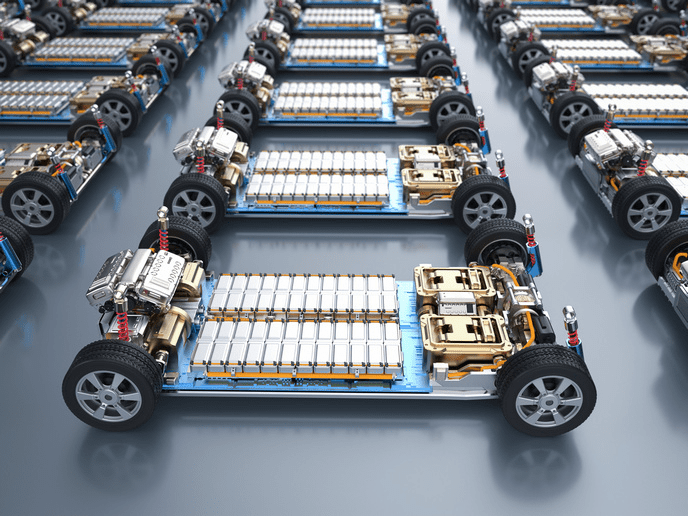
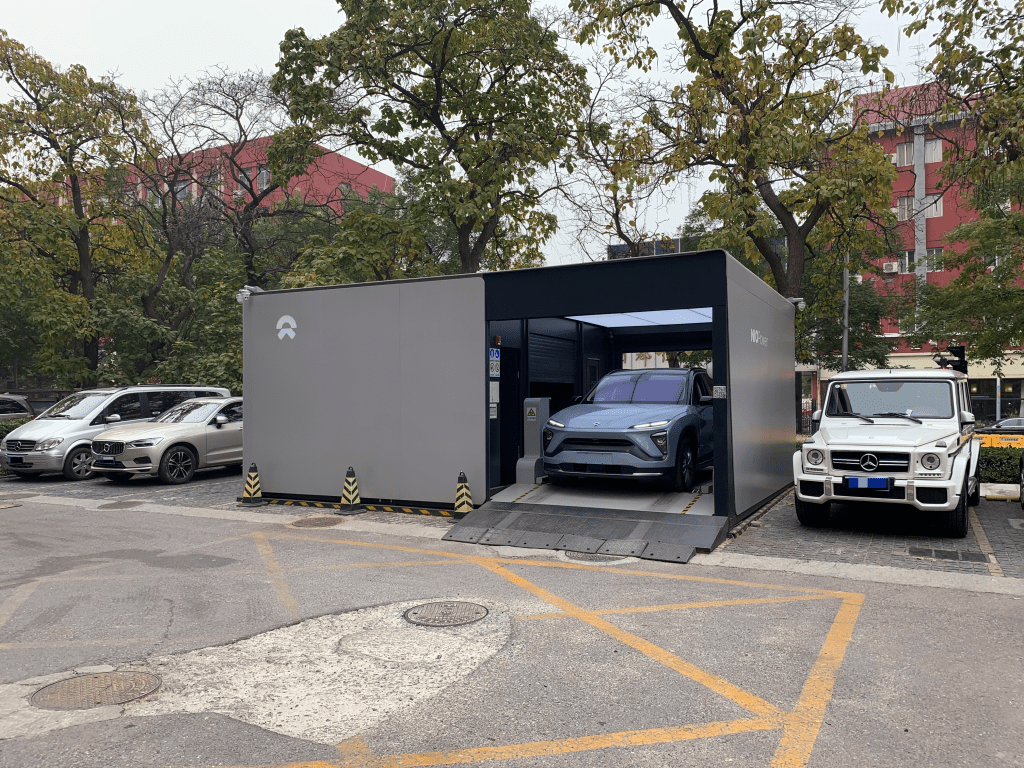
Battery swapping is a fantastic idea if you want to have full range in less than five minutes, but bolting and unbolting a heavy battery pack to the car requires some fancy automation and puts a lot of strain on the actual bolts that hold on to the battery.
Repeated tightening and loosening of battery packs to the car will actually cause the screwsthreads to wear out and become unusable. This is is such a big problem that companies like NIO, which specialises in battery swapping are already trying to figure better and more durable screw threads.
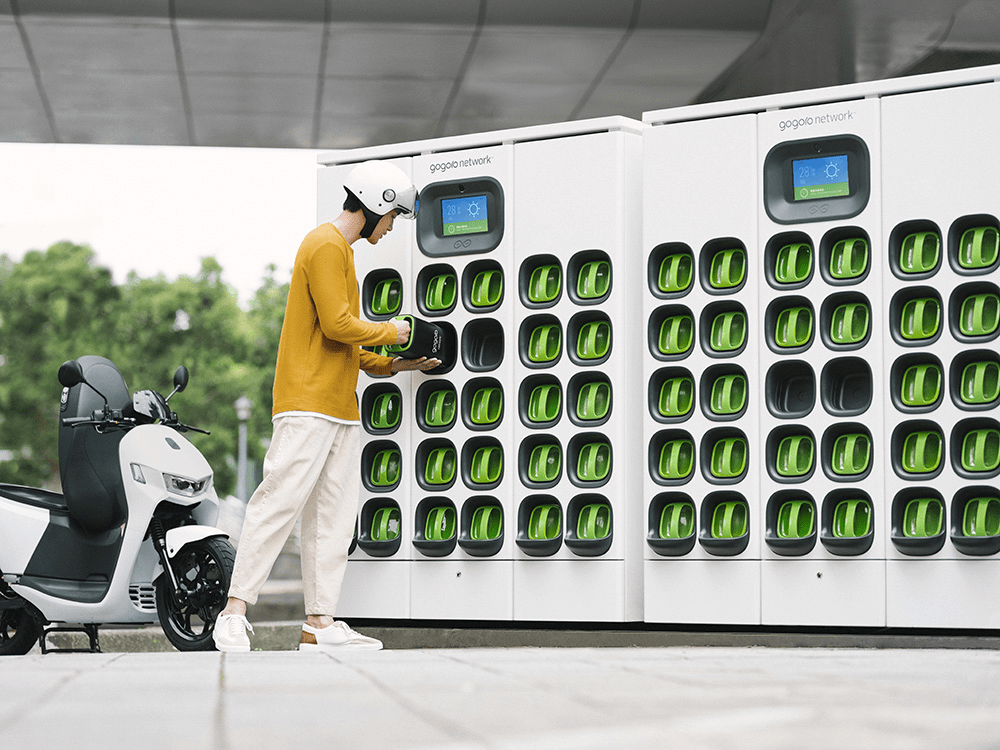
This is why we see motorcycle battery swapping being done without unbolting, but using drop packs and clips to hold the battery in place.
Other than that minor problem you also have to face the fact that each manufacturer design unique batteries for almost every model that they make, which makes battery swapping a a nightmare.
How many types of which batteries do you keep on site?
Below are jsut some of the devcelopments that need to take place to overcome the weaknesses in the idea of battery swapping.

Key Factors for the Success of Battery Swapping:
Quick Charging:
One of the primary advantages of battery swapping is the potential for very fast charging times compared to traditional charging methods. If swapping can consistently offer significantly quicker turnaround times, it becomes an attractive option for users.
Infrastructure Development:
The success of battery swapping relies on the development of a widespread and well-maintained infrastructure. Having a dense network of swapping stations ensures accessibility and convenience for users.
Standardization:
Standardizing battery designs and swap procedures across different vehicle manufacturers is crucial. Common standards would make it easier for a variety of electric vehicles to utilize the same swapping infrastructure, fostering industry-wide adoption.
Partnerships and Collaboration:
Collaboration between major industry players, as seen in the Geely-NIO example, can contribute to the success of battery swapping. Shared investments and expertise can accelerate the development of infrastructure and technology.
Battery Technology Advances:
Continued advancements in battery technology, such as improvements in energy density and durability, can enhance the overall feasibility and efficiency of battery swapping systems.
Integration with Fleets and Commercial Vehicles:
Battery swapping may find particular success in fleets and commercial applications where vehicles are in continuous operation. Streamlining the charging process can reduce downtime, making it an attractive option for businesses.
Consumer Education and Acceptance:
Widespread acceptance will require educating consumers about the benefits of battery swapping and addressing any misconceptions. This includes dispelling concerns related to battery degradation and safety during the swapping process.
Government Support and Regulations:
Supportive policies and regulations can significantly impact the success of battery swapping. Incentives and regulatory frameworks that promote the development and deployment of swapping infrastructure can boost its adoption.
Current Weak Points of Battery Swapping:

Limited Standardization:
There is currently a lack of standardized protocols for battery swapping across different manufacturers. This limits interoperability and requires specific infrastructure for each brand.
High Initial Infrastructure Costs:
Establishing a widespread network of battery swapping stations involves substantial upfront costs. This financial investment can be a barrier to entry and may require significant time to recoup.
Technology Compatibility:
The rapid evolution of battery technologies poses challenges. Older battery packs may not be compatible with newer swapping infrastructure, necessitating upgrades and potentially limiting backward compatibility.
Space and Logistics:
Physical space requirements for battery swapping stations, especially in urban areas, can be a challenge. Additionally, managing logistics, such as the transportation and storage of spare batteries, adds complexity.
Consumer Habits and Perceptions:
Established charging habits and perceptions about battery technology might make users resistant to adopting a new system. Convincing consumers of the advantages of swapping over traditional charging may take time.
Limited Vehicle Models:
Currently, only a subset of electric vehicle models supports battery swapping. Expanding this compatibility is crucial for the widespread adoption of swapping technology.
Regulatory Challenges:
Regulations and safety standards related to battery swapping may vary across regions, posing challenges for standardization and widespread implementation.
Competition with Rapid Charging:
As rapid charging infrastructure improves, the time advantage of battery swapping becomes less pronounced. Users might opt for the simplicity of plugging in their vehicles if charging times are comparable.
While battery swapping holds promise, addressing these challenges—especially standardization, infrastructure costs, and consumer perceptions—is essential for its widespread success in the electric vehicle market.

 Elektronikar