
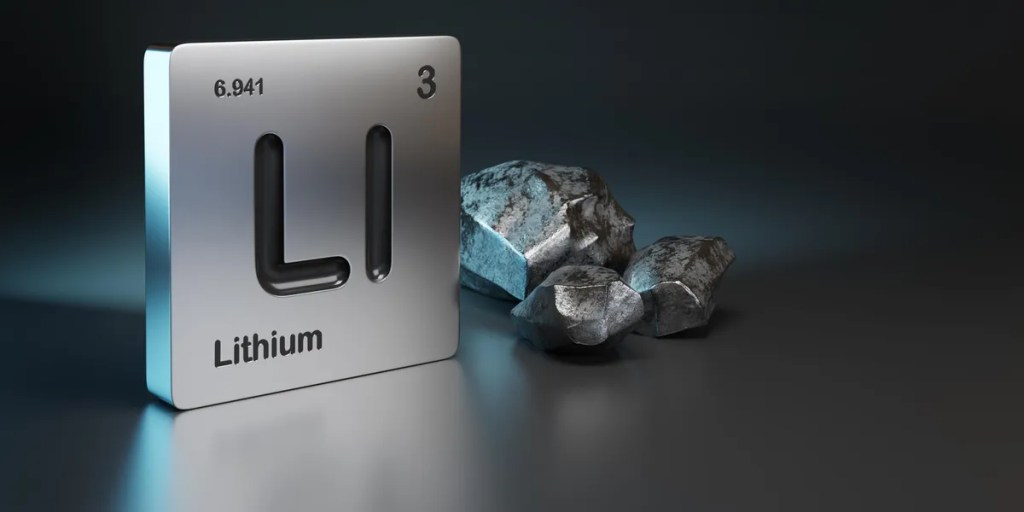
Today we’ll take a look at the global lithium reserve and the increasing demand for the material by the electric vehicle industry.
As it stands the global lithium reserve is estimated to be around 39 million tons, with Chile, Argentina, and China being the top three countries with the most estimated reserves.
Lithium is a key component of batteries used in a wide range of technologies, such as electric vehicles and renewable energy storage. As demand for these technologies increases, so will the demand for lithium.
Based on current projections, it is estimated that the world will need around 240 million tons of lithium by 2030.
This is more than six times the estimated current global lithium reserve. This rapid increase in demand is driven by the growing popularity of electric vehicles and other renewable energy initiatives.
While 240 million tonnes seem impossible to meet given the global reserve, we need to understand that the global reserve simply means how much lithium we think we can mine in the places that we already know there are lithium.
The global reserve of lithium at 39 million tonnes does not mean that that is all the lithium there is in the world.
For comparison let us take a look at the automotive industry as it was being born and another industry that is intertwined with cars, the petroleum industry.
The petroleum industry and the car industry have been interconnected since the late 19th century. In 1885, the first successful internal combustion engine car was invented by Karl Benz these early cars ran on alcohol but the preferred fuel of choice quickly switched to petrol or gasoline.
The petroleum industry itself was still in its infancy when the Benz Patent Three Wheeler burst into the scene; The modern petroleum industry began in the mid-19th century, with the first successful oil well drilled in Pennsylvania in 1859.
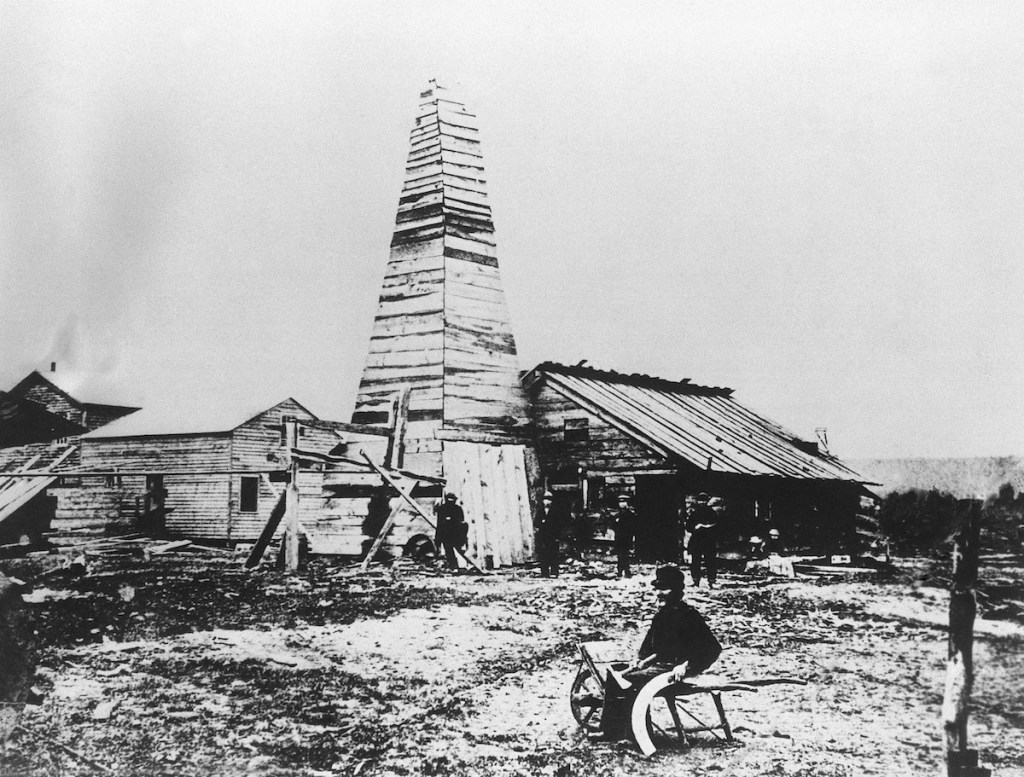
It is interesting to note that the first oil well was drilled Edwin Drake and the breakthrough in drilling technology was due to the invention of the steam engine-driven rotary drill, which made it possible to drill deeper and more efficiently than the previous manual methods.
In a way the steam engine helped to accelerate its own demise by helping the petroleum industry find more oil. By the early 20th century, cars became more popular and the demand for petroleum had grown exponentially, leading to the growth of the petroleum industry.
The development of the car industry happened in parallel with advances in petroleum extraction technology and the reinforce each other, as demand allowed for more exploration and drilling while more oil means car companies could build more powerful machines.
In 1908, Henry Ford introduced the Model T which took the world by storm and at that time the known petroleum reserve stood at 2.5 billion barrels and production was 235 million barrels.
Meanwhile the Model T was so popular that by 1915 more than a million were on the road.
If reserves remained fixed and oil production continued at 1910 rate, we probably would have run out of dino juice before the roaring 20s ended and we wouldn’t be driving cars today.
Thankfully that is not how reserves work.
The increasing demand for oil attracted mor investment into the industry and this, in turn, caused an oil boom in the early 1900s that led to the discovery of new oil fields around the world.
While global oil reserves at the start of the 20th century was estimated at 2.5 billion barrels, the advancement of oil extraction technology and the discovery of new sources allowed the global oil reserve to grown with time.
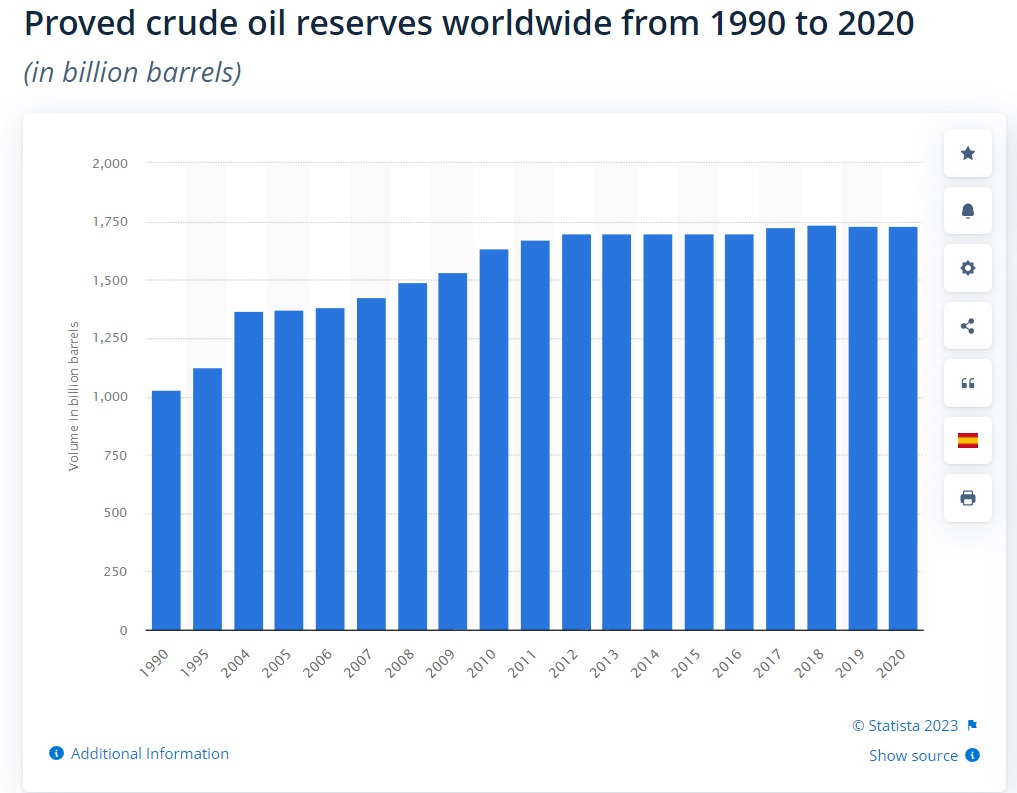
By 2010, the estimated global oil reserve was 1.4 trillion barrels and just 10 years later we found another 200 billion barrels in the rocks.
According to UK researchers who published their finding in the International Journal of Oil, Gas and Coal Technology, the amount of oil we have extracted since modern oil drilling began may be a lot more than we thought.
Earlier numbers seem to suggest that to date we have extracted 135 billion barrels of oil but John Jones in the School of Engineering, at the University of Aberdeen, UK, suggests that the figures is likely to be much bigger.
In 2005, The Oil Depletion Analysis Centre (ODAC) in London provided a total figure of almost 1 trillion barrels of crude oil (944 billion barrels) since commercial drilling began. Even that figure does not add up, Jones explains.
The huge amount of oil that we have extracted since 1910 is an indication of how much we can extract once the technology and investment is in place.
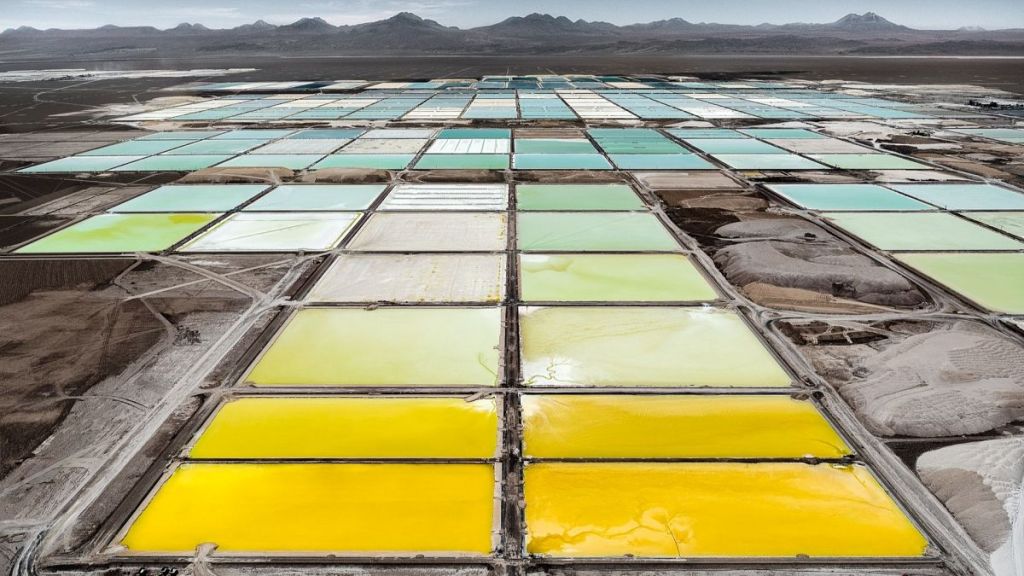
Similarly, the lithium and other mineral extraction activities will benefit from additional investment and just as it happened with oil, the amount we can extract will increase whiel the cost will likely decrease.
More importantly the world is looking at an industry revolving around sustainability and EV manufacturers will likely put in place measures that will ensure mineral extraction will adhere to similar principles.
Undoubtedly, in the early years, we can expect higher environmental impact as the existing industry tries to cope with increasing demand without access to new technology, however this will likely change in the future, especially if all parties involved are sincere in the application of Environmental, Social and Governance parameters in order to comply with global sustainability goals.

So, just how much lithium can we expect to find on earth? I don’t know a quick internet search indicates that it is the 33rd most abundant element on the planet. It is more common than tin which is the 50th most abundant element but less abundant than Vanadium which is the 20th most abundant element on our home world.
Which goes to show that you and I are not really well versed about which element is rare and which is not.
The Most Abundant Elements In The Earth’s Crust
| Rank | Element | Symbol | Abundance in crust (ppm) by source |
| 1 | Oxygen | O | 461,000 |
| 2 | Silicon | Si | 282,000 |
| 3 | Aluminium | Al | 82,300 |
| 4 | Iron | Fe | 56,300 |
| 5 | Calcium | Ca | 41,500 |
| 6 | Sodium | Na | 23,600 |
| 7 | Magnesium | Mg | 23,300 |
| 8 | Potassium | K | 20,900 |
| 9 | Titanium | Ti | 5,650 |
| 10 | Hydrogen | H | 1,400 |
| 11 | Phosphorus | P | 1,050 |
| 12 | Manganese | Mn | 950 |
| 13 | Fluorine | F | 585 |
| 14 | Barium | Ba | 425 |
| 15 | Strontium | Sr | 370 |
| 16 | Sulfur | S | 350 |
| 17 | Carbon | C | 200 |
| 18 | Zirconium | Zr | 165 |
| 19 | Chlorine | Cl | 145 |
| 20 | Vanadium | V | 120 |
| 21 | Chromium | Cr | 102 |
| 22 | Rubidium | Rb | 90 |
| 23 | Nickel | Ni | 84 |
| 24 | Zinc | Zn | 70 |
| 25 | Copper | Cu | 60 |
| 26 | Cerium | Ce | 66.5 |
| 27 | Neodymium | Nd | 41.5 |
| 28 | Lanthanum | La | 39 |
| 29 | Yttrium | Y | 33 |
| 30 | Nitrogen | N | 19 |
| 31 | Cobalt | Co | 25 |
| 32 | Scandium | Sc | 22 |
| 33 | Lithium | Li | 20 |
| 34 | Niobium | Nb | 20 |
| 35 | Gallium | Ga | 19 |
| 36 | Lead | Pb | 14 |
| 37 | Boron | B | 10 |
| 38 | Thorium | Th | 9.6 |
| 39 | Praseodymium | Pr | 9.2 |
| 40 | Samarium | Sm | 7.05 |
| 41 | Gadolinium | Gd | 6.2 |
| 42 | Dysprosium | Dy | 5.2 |
| 43 | Erbium | Er | 3.5 |
| 44 | Ytterbium | Yb | 3.2 |
| 45 | Hafnium | Hf | 3.0 |
| 46 | Caesium | Cs | 3 |
| 47 | Beryllium | Be | 2.8 |
| 48 | Uranium | U | 2.7 |
| 49 | Bromine | Br | 2.4 |
| 50 | Tin | Sn | 2.3 |
| 51 | Europium | Eu | 2.0 |
| 52 | Arsenic | As | 1.8 |
| 53 | Tantalum | Ta | 2.0 |
| 54 | Germanium | Ge | 1.5 |
| 55 | Tungsten | W | 1.25 |
| 56 | Molybdenum | Mo | 1.2 |
| 57 | Holmium | Ho | 1.3 |
| 58 | Terbium | Tb | 1.2 |
| 59 | Thallium | Tl | 0.850 |
| 60 | Lutetium | Lu | 0.8 |
| 61 | Thulium | Tm | 0.52 |
| 62 | Iodine | I | 0.450 |
| 63 | Indium | In | 0.250 |
| 64 | Antimony | Sb | 0.2 |
| 65 | Cadmium | Cd | 0.15 |
| 66 | Mercury | Hg | 0.085 |
| 67 | Silver | Ag | 0.075 |
| 68 | Selenium | Se | 0.05 |
| 69 | Palladium | Pd | 0.015 |
| 70 | Bismuth | Bi | 0.0085 |
| 71 | Platinum | Pt | 0.005 |
| 72 | Gold | Au | 0.004 |
| 73 | Osmium | Os | 0.0015 |
| 74 | Tellurium | Te | 0.001 |
| 75 | Ruthenium | Ru | 0.001 |
| 76 | Iridium | Ir | 0.001 |
| 77 | Rhodium | Rh | 0.001 |
| 78 | Rhenium | Re | 0.0007 |
 Elektronikar