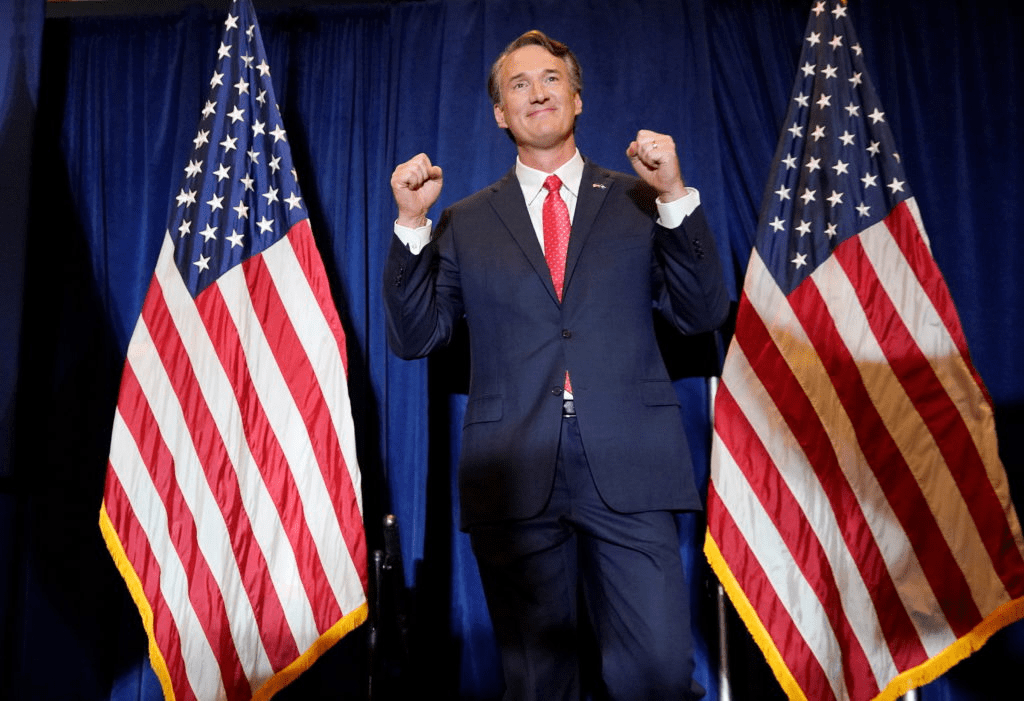
Virginia Governor Glenn Youngkin rejected an investment by Ford Motor Co. for a battery assembly plant, which would have created 2,500 jobs, due to concerns over the involvement of CATL, a Chinese-controlled supplier.
A spokesperson for Youngkin stated that the proposal would serve as a front for the Chinese Communist Party and could compromise economic security and personal privacy.
The governor also said that companies with ties to the Chinese Communist Party will not receive any economic incentives from the Commonwealth. The proposal never reached a final discussion stage.
Michigan Governor Gretchen Whitmer criticized Virginia Governor Glenn Youngkin for rejecting Ford Motor Co.’s battery assembly plant proposal due to concerns about involvement of a Chinese partner, calling it a “political determination.”
The project would have created jobs in Virginia, but its rejection also dealt a blow to Ford’s home state of Michigan.
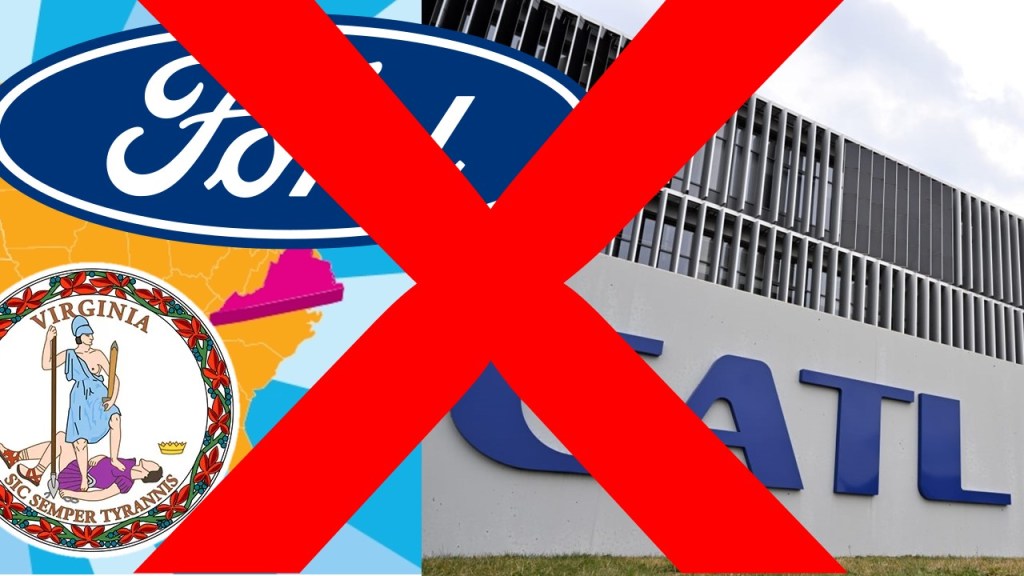
Ford had already announced plans in September 2021 to invest over $11 billion in EV and battery production in Tennessee and Kentucky, joining a trend of auto investment in the southern and southeastern states.
Governor Glenn Youngkin’s rejection of Ford Motor Co.’s battery assembly plant proposal in December 2021 resulted in the loss of potential jobs for one of the poorest regions in Virginia, specifically the Southern Virginia Mega Site at Berry Hill in Pittsylvania County.
The plant would have produced lithium iron phosphate batteries for Ford’s electric vehicles, and it was a key aspect of Ford’s strategy to reduce its reliance on battery minerals such as nickel and cobalt, as announced in July 2021.
Despite Virginia Governor Glenn Youngkin’s rejection of the Ford Motor Co.’s battery assembly plant proposal, Michigan remains in the running for the joint-venture operation.
According to sources familiar with the situation, sites in Marshall, Grand Ledge near Lansing, and Mundy Township in Genesee County are being considered as potential locations for the plant, which would build batteries for Ford’s next-generation electric vehicles.
The project involves Chinese battery maker Contemporary Amperex Technology Co. Ltd. (CATL), which is already a battery supplier to Ford.
Ford previously announced that CATL would supply full LFP battery packs for the electric Mustang Mach-E in North America starting in 2022 and for the Ford F-150 Lightning electric pickup truck starting in 2024.
Ford Motor Co.’s battery plant project, which involves Chinese battery maker Contemporary Amperex Technology Co. Ltd. (CATL), is part of the company’s strategy to localize battery cell production through joint ventures and secure its EV supply chain.
The company aims to produce 600,000 electric vehicles globally by the end of 2022 and 2 million globally by 2026. Ford is already building three battery plants with JV partner SK On, two in Kentucky and one in Tennessee, as part of the company’s largest-ever manufacturing investment.
In July 2021, Ford announced plans to add 40 gigawatt hours of LFP battery capacity in North America starting in 2026 but did not provide further details. Virginia Governor Glenn Youngkin halted the Ford plan to build a battery plant in Virginia in December 2021 due to its partnership with CATL.
This decision was met with criticism from local officials and Democratic state lawmakers who cited the potential loss of jobs for the region.
 Elektronikar