All the elements used in EV and how much of it is being used by EVs
People always use the mining argument against Electric Vehicles, they say that the mining causes far more damage to the environment than is saved by the zero emission of EVs.
We decided to dig around and find out what are the elements used in EVs, primarily in the battery, motor and electronics and try to figure out just how much of these materials are being hogged by the electric car production and how much of it is being used by other industries.
You might be surprised to learn that all the elements used by EVs are already in wide use by other industries; We find out how much additional demand is being put by the production of electric cars.
Please read on to find out, you might be surprised just how much EV is contributing to the mining of these materials.
We have done this in a question and answer format.
Some people are concerned that the EV industry is consuming a lot of elements that requires mining, what are the elements that are involved and how many percent of their global use is taken up by EV manufacturing?
The elements that are involved in the elemental makeup of electric vehicles include lithium, cobalt, nickel, aluminum, copper, and graphite. According to a report by the World Bank, electric vehicle manufacturing consumes approximately 13% of the global production of these elements.
What are the elements being used in lithium batteries and what are the estimated percentages of the elements in the battery recipes?
The elements used in lithium-ion batteries are lithium (generally 3-4%), cobalt (generally 5-10%), nickel (generally 5-15%), manganese (generally 1-3%), and aluminum or graphite (generally 1-3%).
What are the elements being used in lithium iron phosphate batteries and what are the estimated percentages of the elements in the battery recipes?
The elements used in lithium iron phosphate batteries are lithium, iron and phosphate. The estimated percentages of these elements in the battery recipes are typically around 11-22% lithium, 15-20% iron and 60-75% phosphate.
Lithium
What is lithium, is it a rare element, what is the estimated global lithium reserve and which industries are the biggest users of lithium?
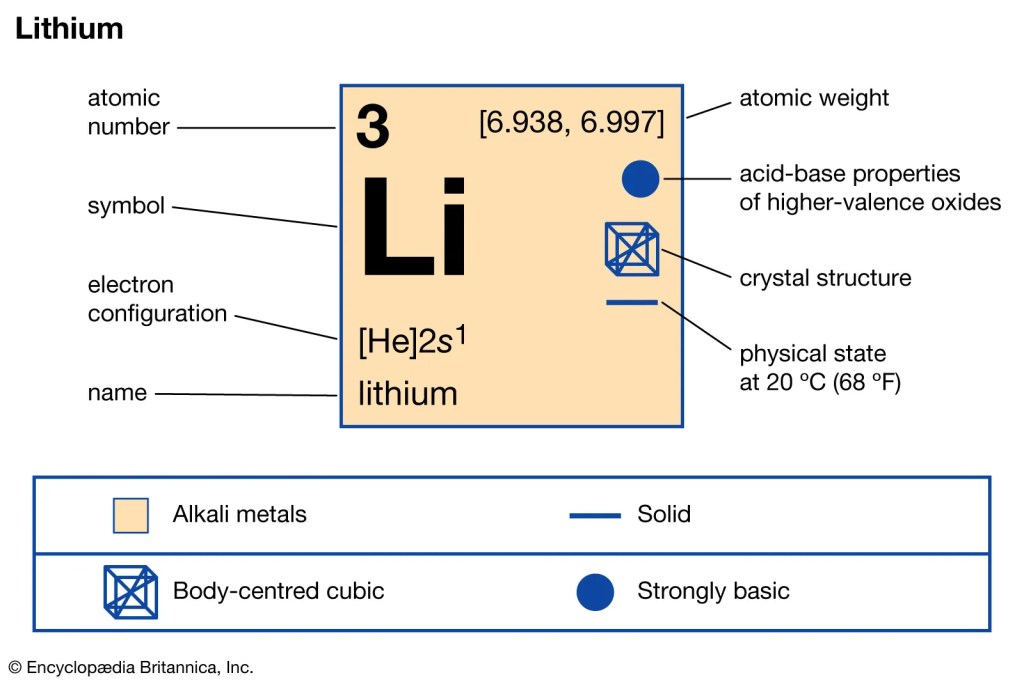
Lithium is an alkali metal and an element in the periodic table.
Lithium can be found in many places, including in acidic springs, underground brine reservoirs, geothermal reservoirs, and lithium-rich clay. It is not particularly hard to find, but commercial mining and extraction of lithium can be expensive and difficult. The estimated global lithium reserves are around 18 million tonnes.
The biggest users of lithium are the battery, automotive, and chemical industries. Lithium-ion batteries are used extensively in electric vehicles, mobile phones, and other electronic devices, while lithium compounds are used in ceramics, glass, and some medicines.
How much lithium is used by the EV industry and how much is used by the chemical industry?
The amount of lithium used by the EV industry is currently relatively small compared to the chemical industry, which accounts for the majority of global lithium usage. According to the U.S. Geological Survey, the chemical industry used an estimated 93,000 metric tons of lithium in 2018, while the EV industry used just 3,000 metric tons.
Cobalt
Cobalt is a chemical element with the symbol Co and atomic number 27. It is a rare metal found naturally in various compounds. It has many applications, mainly in the production of magnets, high-strength alloys, and catalysts. Cobalt-based blue and green pigments are widely used to color glass, porcelain and ceramics.
What the the industries that are the biggest users of cobalt?
The biggest users of cobalt are the automobile, aerospace, and oil and gas industries. Cobalt is used in the production of alloys, cutting tools, and wear-resistant parts, and oil and gas drilling companies use it to make Drill bits, valve stems, and pump parts. It is also used in the production of Li-ion batteries, magnets, catalysts, and electronics.
How much is the global reserve of cobalt?
The global reserve of cobalt is estimated to be around 7.1 million tonnes. This is estimated to be enough to meet the demand for the next 50 years, if the demand for cobalt remains at current levels.
How much cobalt is used by the automobile, aerospace and oil and gas industries?
The automobile, aerospace, and oil and gas industries account for around 70% of the world’s cobalt consumption. According to estimates, the three industries combined use around 240,000 tonnes of cobalt each year.
How much cobalt is used in making EV batteries every year?
According to estimates, roughly 25,000 tonnes of cobalt is used in the production of electric vehicle (EV) batteries each year. This is around 10% of the world’s total cobalt consumption.
Nickel
What is nickel? is it a rare element? where does it rank in terms of abundance of elements on earth?
Nickel is a silvery-white, hard and ductile metal found in nature and ranked as the fifth most abundant element on Earth. . It is usually found in combination with other elements, such as iron, copper, cobalt and zinc. Nickel is used in many industrial and consumer products, such as coins and jewelry.
How much is the estimated global nickel reserve?
According to the United States Geological Survey (USGS), the estimated global nickel reserves are approximately 79 million metric tons.
Which industries are the biggest users of nickel andhow much do they use in a year?
The biggest users of nickel are the stainless steel industry, which accounts for about 66% of world consumption, and the alloy steel industry, which account for about 13% of world consumption.
The estimated global nickel consumption in 2019 was about 2.3 million metric tons.
How much nickel is being used by the EV industry?
In 2019, the estimated global nickel usage in electric vehicles was about 16,000 metric tons. This is a relatively small percentage of total global nickel usage, with some estimates suggesting it may reach up to 35,000 metric tons by 2025.
Manganese
What is manganese and how abundant is it compared to other elements?
Manganese is a chemical element with symbol Mn and atomic number 25. It is the 12th most abundant element in the Earth’s crust and the 5th most abundant element in the universe. It is also the second most abundant transition metal after iron. In terms of abundance, manganese is found in slightly higher concentrations than copper and zinc, but is still relatively rare compared to other elements.
Which industries are the biggest users of manganese?
Manganese has a wide range of uses in industry. The principal uses include steel production (accounting for 85-90% of overall manganese consumption), production of non-ferrous alloys and electrolytic manganese dioxide for dry-cell batteries. Manganese is also used for a variety of other applications, such as in certain plastics and fertilizers, as a catalyst, and in other chemical processes. It is also a key ingredient in some pharmaceuticals, pesticides, and animal feed.
How many tonnes of manganese are used every year by the industries mentioned above and how much is the world’s manganese reserve?
In 2019, global manganese consumption was estimated at 33 million tonnes, with about 85-90% of this used in the steel industry. The world’s estimated manganese reserve is estimated to be around 550 million tonnes.
How much manganese is used by the EV industry?
The EV industry uses manganese in the form of high-purity, low-carbon manganese metal and manganese electrolytic alloys. These are used in the production of electric vehicle traction motors and other components, such as battery packs, wire harnesses, and energy recovery systems. It is estimated that around 5,000 tonnes of manganese are consumed by the EV industry every year.
Iron
What is iron and how abundant is it compared to other elements?
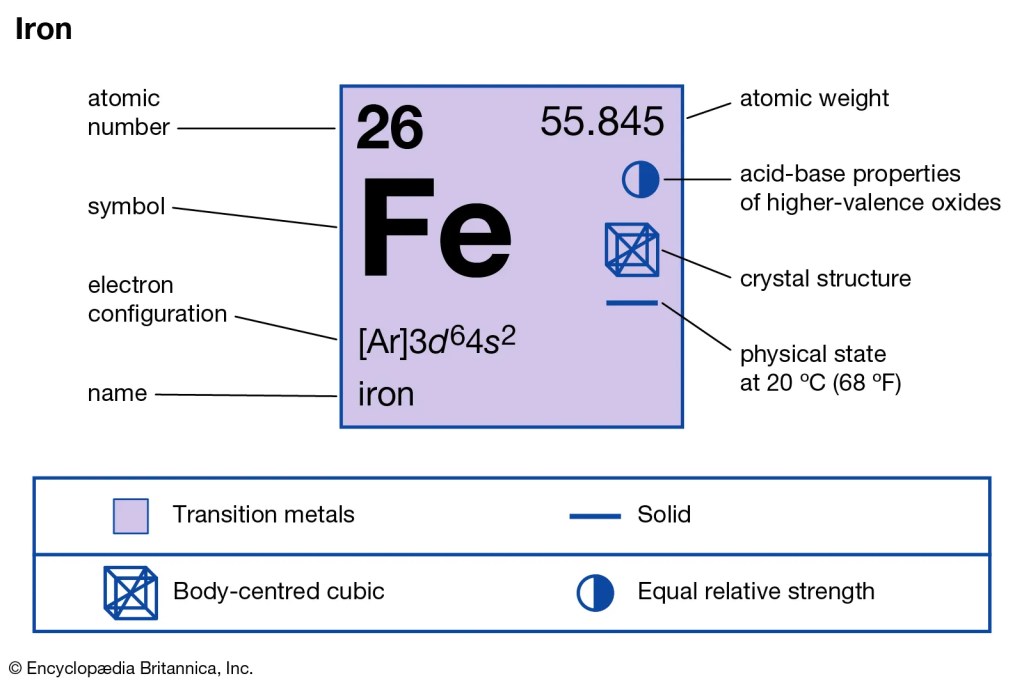
Iron is an element that is abundant on Earth and makes up 5.6% of the crust. It is one of the most abundant elements in the universe, second only to hydrogen. Iron is found in many minerals, including hematite (Fe2O3), magnetite (Fe3O4), and taconite (Fe2O3·H2O). It is used to make steel, an alloy of iron and carbon, which is a strong and durable material that is used in construction, transportation, and other industries.
Which industries are the biggest users of iron? and how much do each of them use in a year?
The biggest users of iron in terms of volume are the construction industry, the automotive industry, and the heavy machinery industry. In terms of value, the construction industry is the biggest user of iron, followed by the automotive industry. The construction industry uses about 7.3 million tonnes of iron each year, the automotive industry uses about 5.2 million tonnes each year, and the heavy machinery industry uses about 3.2 million tonnes each year.
How much is the global reserve of iron?
The total global reserve of iron is estimated to be around 10 billion tonnes.
How many percent of iron comes from recycled sources?
About 65% of the iron used in the world comes from recycled sources.
How much iron is used by the EV industry when making lithium iron phosphate batteries?
The EV industry uses about 17-19 kg of iron for every lithium iron phosphate battery produced.
Recycling
Of these elements, how much of each of the element what we use comes from recycled sources?
Currently, there is no definitive answer to this question as it depends on a number of factors, such as the availability of recycled materials and the technology used to extract them. Currently, lithium and cobalt are the most widely used elements in electric vehicles, and both elements have seen a growing number of recycled sources. For example, a 2019 report by the World Bank estimated that global recycling of lithium-ion batteries could produce more than 5500 tonnes of recycled material, which could potentially supply up to 18 percent of the global cobalt market.
How much of the lithium we use come from recycled sources?
The exact percentage of lithium obtained from recycled sources varies depending on the source, but generally it is estimated to be between 5 to 10 percent. This number is expected to rise in the future as larger quantities of lithium-ion batteries become available for recycling.
How much of the cobalt we use come from recycled sources?
It is estimated that between 0.5 to 2 percent of cobalt currently comes from recycled sources. This number is expected to increase as more lithium-ion batteries become available for recycling and technology improves.
How much of the copper we use come from recycled sources?
Approximately one third of the worldwide supply of copper currently comes from recycled sources. This percentage is expected to increase significantly over the next decade due to increased recycling initiatives, improved technology, and the introduction of more sustainable extraction processes.
How much of the aluminium we use come from recycled sources?
Approximately 72 percent of the world’s aluminum is currently produced from recycled sources. This number is expected to increase due to the cost savings associated with recycling aluminum and the development of more efficient technologies and processes.



 Elektronikar