

Nio, a Chinese electric vehicle (EV) manufacturer, recently launched two new SUVs, the EC7 and ES8, at Nio Day. The launch of these models marks the beginning of Nio’s “product super cycle,” during which the company plans to release several new models over the next six months. Both the EC7 and ES8 are equipped with electric drivetrains and offer customers the option to choose between different battery pack sizes.
One notable feature of the EC7 is its fast charging capability, with Nio stating that the vehicle can reach a peak power of 480 kW. This allows the EC7 to accelerate from 0 to 100 km/h in 3.8 seconds, making it Nio’s fastest-accelerating SUV. In comparison, the ES8 has a maximum drive power of 480 kW and a maximum torque of 850 Nm, and can accelerate from 0 to 100 km/h in 4.1 seconds.
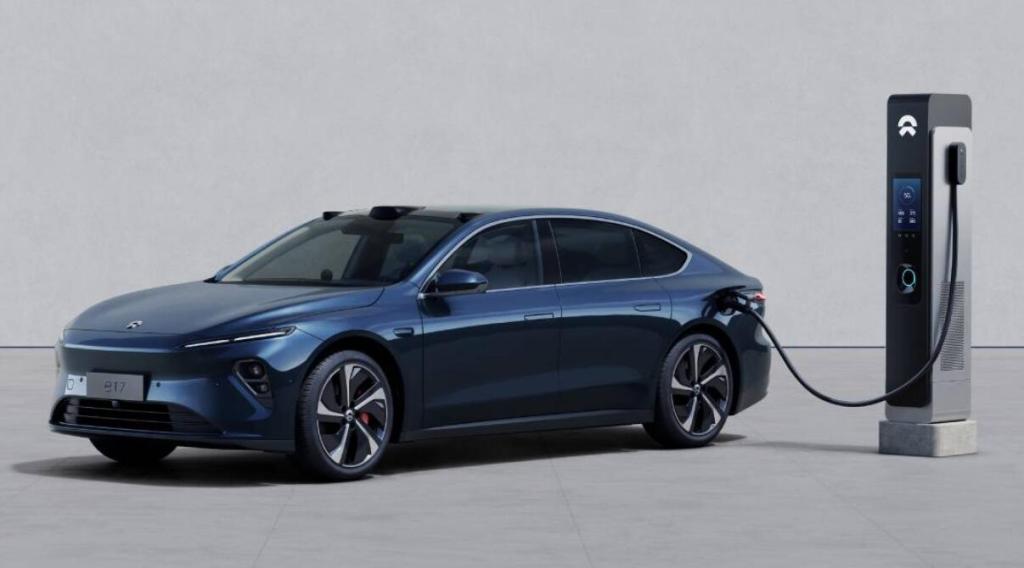
Fast charging speeds like those offered by the EC7 and ES8 are becoming increasingly common in the EV industry, as manufacturers seek to offer consumers vehicles with shorter charging times and longer driving ranges. However, there are some drawbacks to fast charging, including the potential for decreased battery lifespan and increased wear and tear on the charging infrastructure.

Fast charging technology allows EVs to charge their batteries to a high level of capacity in a short amount of time, typically within an hour or less. This is accomplished by using high-voltage charging stations that provide a high level of power to the vehicle’s battery. Fast charging speeds are becoming increasingly common in the EV industry, as manufacturers seek to offer consumers vehicles with shorter charging times and longer driving ranges.
One of the main benefits of fast charging is that it allows EV owners to charge their vehicles quickly, making it easier for them to plan long distance trips or to use their EVs as their primary mode of transportation. Fast charging can also be convenient for those who do not have access to a home charging station, as it allows them to charge their EVs at public charging stations while they are out and about.
However, there are some potential drawbacks to fast charging, including decreased battery lifespan and increased wear and tear on the charging infrastructure. The high levels of power involved in fast charging can put a strain on the battery, potentially reducing its overall lifespan. Additionally, the high-voltage charging stations required for fast charging can be more expensive to install and maintain, which can impact the overall cost of the charging network.
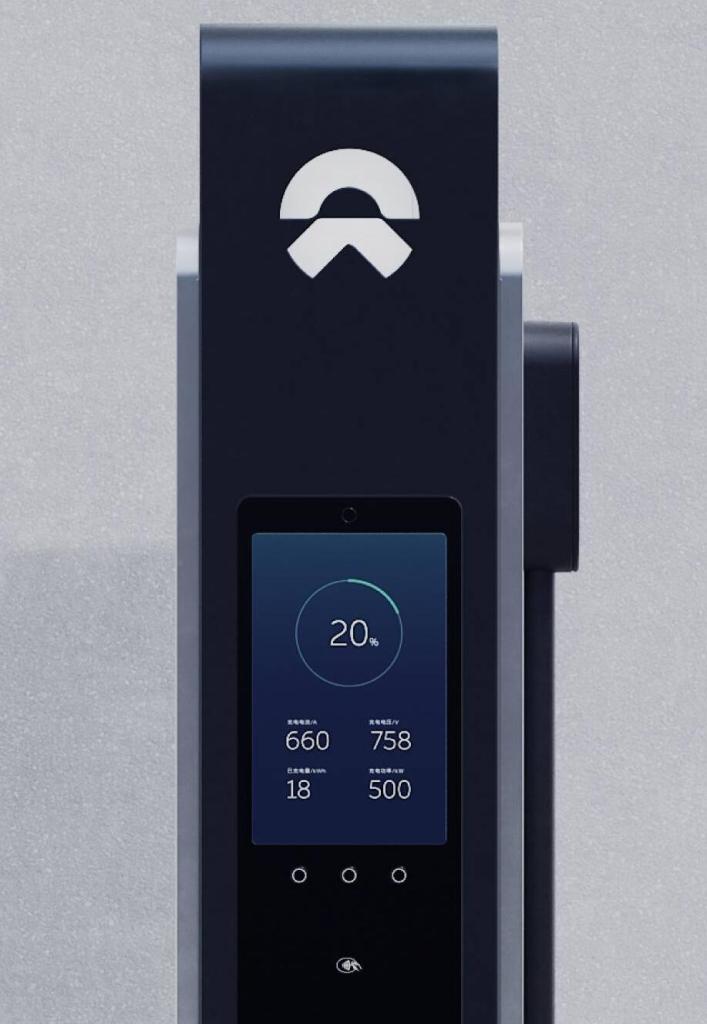
It is important for EV manufacturers and charging network operators to carefully consider the trade-offs associated with fast charging technology, and to work to minimize any potential negative impacts on the battery and charging infrastructure.
In terms of charging networks, China currently has the largest EV market in the world, with over 1.3 million EVs sold in the country in 2020. The Chinese government has set a target of 20% of new car sales being electric by 2025, which is expected to drive further growth in the EV market. To support this growth, there are several major charging network operators in China, including State Grid, China Southern Power Grid, and China National Grid. These companies operate both public charging stations and home charging solutions for EV owners.
Overall, the launch of the EC7 and ES8 by Nio highlights the company’s focus on developing electric SUVs and luxury sedans, as well as its commitment to expanding its product line and capturing a larger share of the growing EV market. The success of these models will depend on a range of factors, including consumer demand, market competition, and the company’s ability to effectively market and sell its products.
As mentioned earlier, China currently has the largest EV market in the world, with over 1.3 million EVs sold in the country in 2020. To support this growth, there are several major charging network operators in China, including State Grid, China Southern Power Grid, and China National Grid. These companies operate both public charging stations and home charging solutions for EV owners.

State Grid is the largest state-owned electric utility company in China, and it operates the largest charging network in the country. The company’s charging network includes both public charging stations and home charging solutions, and it covers a wide range of cities and regions throughout China.
China Southern Power Grid is another major charging network operator in China, and it operates a network of public charging stations and home charging solutions in the southern and southwestern regions of the country.
China National Grid is a state-owned company that operates a network of public charging stations and home charging solutions in the northern and northeastern regions of China.

In addition to these major charging network operators, there are also several smaller companies operating in the Chinese charging market, including companies such as CHJ Automotive, which operates a network of charging stations in the Guangdong province, and China Resources, which operates a network of charging stations in the Beijing and Tianjin regions.
According to data from the China Electric Vehicle Charging Infrastructure Promotion Alliance (CEVC), the five largest charging network operators in China in terms of the number of direct current fast charging (DCFC) stations are:
- State Grid: As of December 2021, State Grid operates over 22,000 DCFC stations in China.
- China Southern Power Grid: As of December 2021, China Southern Power Grid operates over 11,000 DCFC stations in China.
- China National Grid: As of December 2021, China National Grid operates over 9,000 DCFC stations in China.
- Beijing E-Hualu: As of December 2021, Beijing E-Hualu operates over 8,000 DCFC stations in China.
- Sinopec: As of December 2021, Sinopec operates over 5,000 DCFC stations in China.
It is worth noting that these figures only include DCFC stations and do not include alternating current (AC) chargers. The number of AC chargers operated by these charging network operators is likely to be significantly higher, as AC chargers are more widely used in China due to their lower cost and the fact that they can be used to charge most electric vehicles.
Overall, it is clear that the charging infrastructure in China has been rapidly expanding in recent years to support the growing number of electric vehicles on the road, and the major charging network operators in the country have played a significant role in this expansion. The availability of fast charging and convenient charging locations will likely be an important factor in the adoption and widespread use of electric vehicles in China.
According to the latest information, as of December 2021, Tesla has a cumulative total of more than 1,500 Supercharger stations and more than 700 Destination Charging stations in the Chinese mainland. In total Tesla now has 10,000 superchargers in China
These stations are located in all provincial-level administrative regions in the country and have a crisscrossed charging network in over 320 cities, including major cities such as Beijing, Shanghai, and Shenzhen. Tesla’s charging network in China is designed to be convenient for EV owners, with an average distance of 15 minutes between charging stations in first-tier cities. In addition to its Supercharger and Destination Charging stations, Tesla also has more than 1,900 charging piles in the Chinese mainland.
The expansion of Tesla’s charging network in China has likely been driven by the company’s growing sales in the country. According to data from the China Passenger Car Association, Tesla sold a record 100,291 China-made vehicles in November 2021, including 62,493 delivered in China and 37,798 exported. The success of Tesla’s charging network in China will depend on a variety of factors, including consumer demand for electric vehicles and the company’s ability to effectively market and sell its products.

According to the latest information, as of December 2021, Tesla has a cumulative total of more than 1,500 Supercharger stations and more than 700 Destination Charging stations in the Chinese mainland. These stations are located in all provincial-level administrative regions in the country and have a crisscrossed charging network in over 320 cities, including major cities such as Beijing, Shanghai, and Shenzhen. Tesla’s charging network in China is designed to be convenient for EV owners, with an average distance of 15 minutes between charging stations in first-tier cities. In addition to its Supercharger and Destination Charging stations, Tesla also has more than 1,900 charging piles in the Chinese mainland.
The expansion of Tesla’s charging network in China has likely been driven by the company’s growing sales in the country. According to data from the China Passenger Car Association, Tesla sold a record 100,291 China-made vehicles in November 2021, including 62,493 delivered in China and 37,798 exported. The success of Tesla’s charging network in China will depend on a variety of factors, including consumer demand for electric vehicles and the company’s ability to effectively market and sell its products.
 Elektronikar